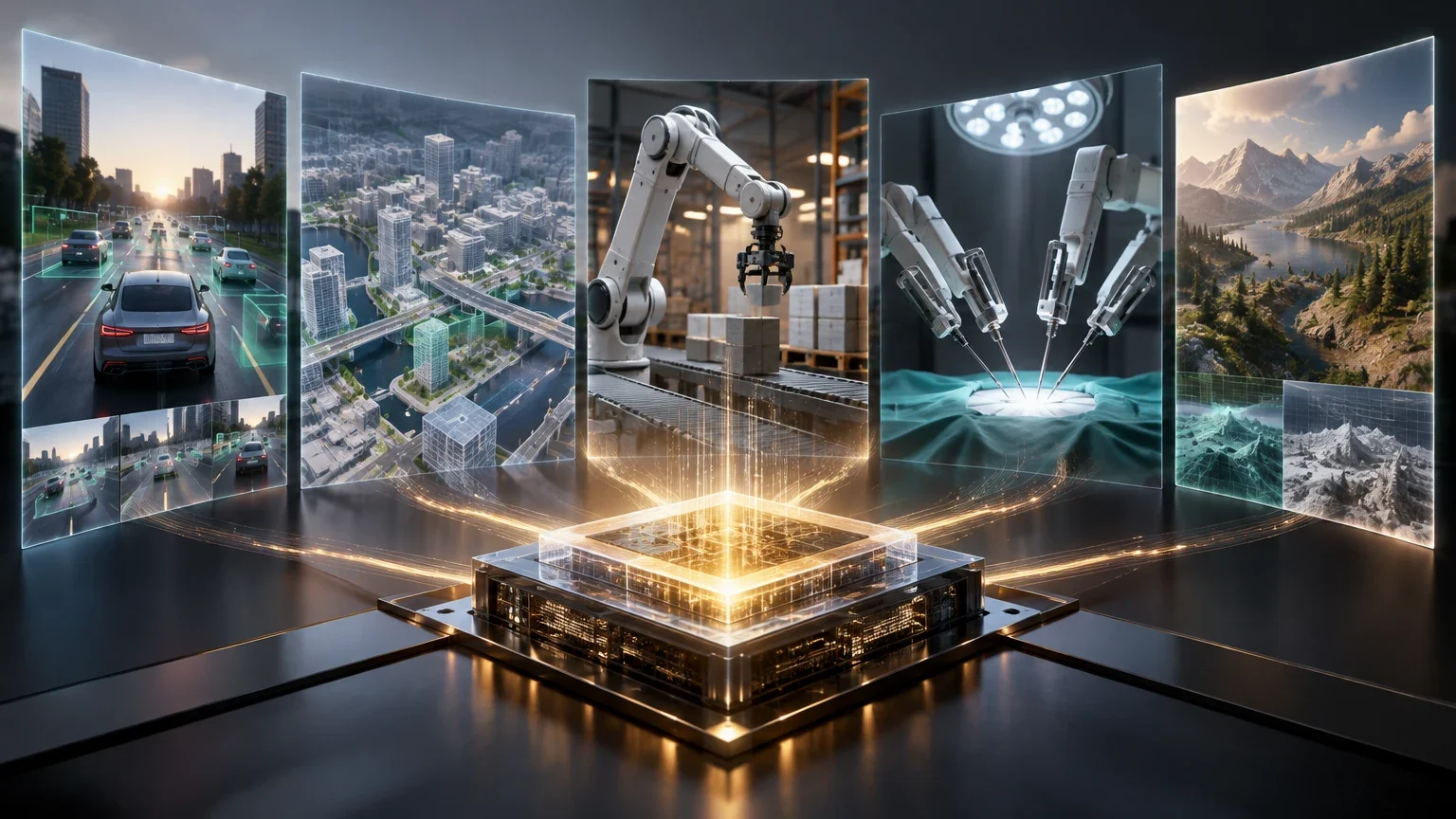
On October 20, 2026, NVIDIA made five models from the Cosmos3-Nano family publicly available. These 16-billion-parameter checkpoints cover use cases ranging from multiview driving simulation to surgical robotics, and are available for direct download on Hugging Face and GitHub.
Google presents Argon with examples of robotic control, simulation reconstruction, and physical reasoning. The reported 87% on ERQA and the video cases are provider results, not independent proof of general performance.
Microsoft Research presents a system that models how specific students might respond to questions and guidance from an AI tutor. While results are promising across three domains, the simulation does not prove that a tutor improves real learning or replace testing with students.
Google is expanding access to Gemini 4 Argon, a model presented for extended work in programming, science, finance and cybersecurity. Its results and real-world performance still require independent evaluation; the available information also does not confirm specific robotics capabilities.
Odyssey presents Odyssey-3 as a world model that generates interactive environments from text. The preview offers a way to explore the product, but available information is not enough to confirm benchmark results or real-world robot use.
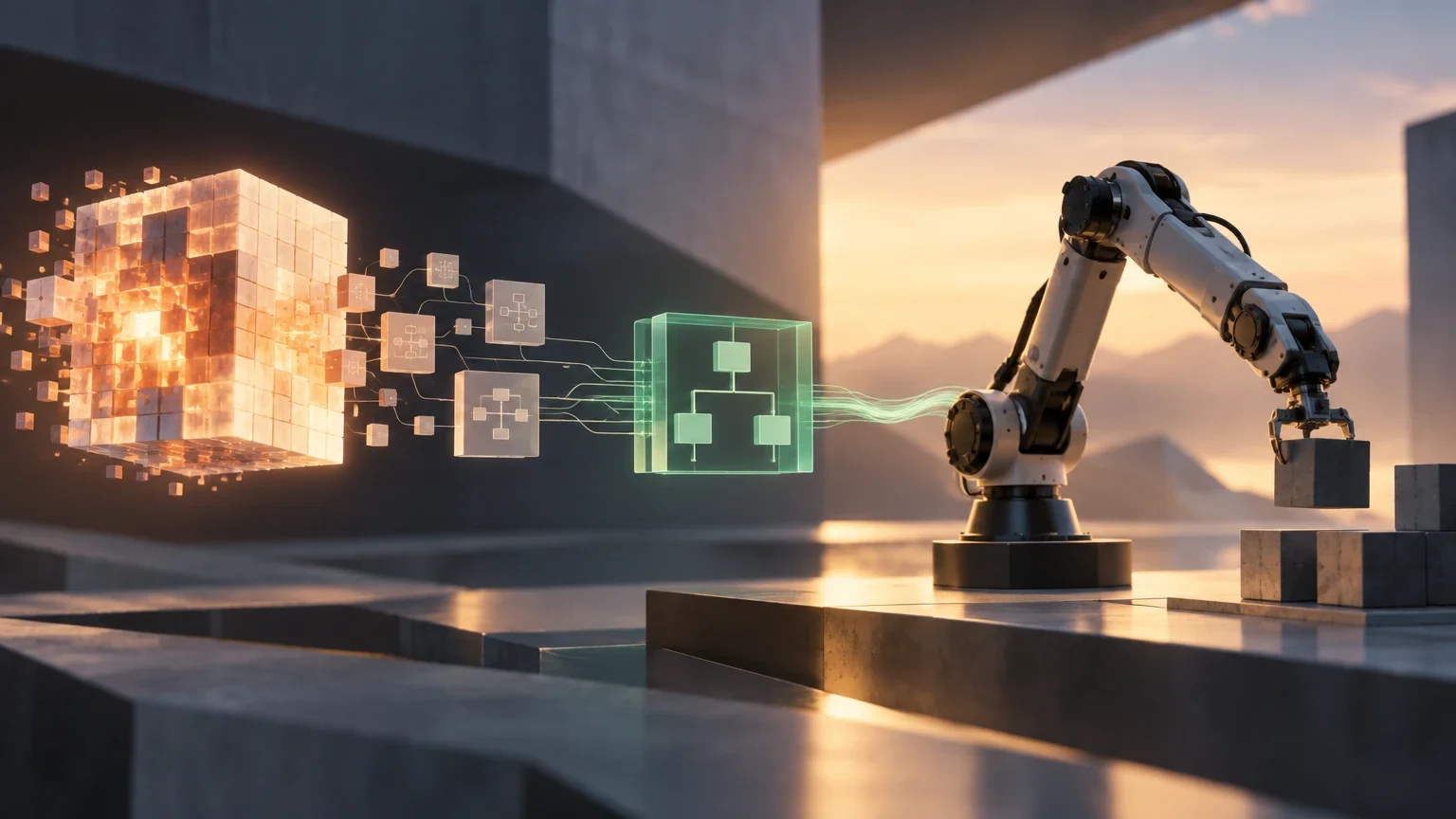
Code to Control separates the generation of a controller’s structure from the tuning of its parameters. The preprint says that, once learned, the controller can act without LLM inference or planning at every step; the available evidence is not enough to assess the figures, reproducibility, or readiness for real-world robots.
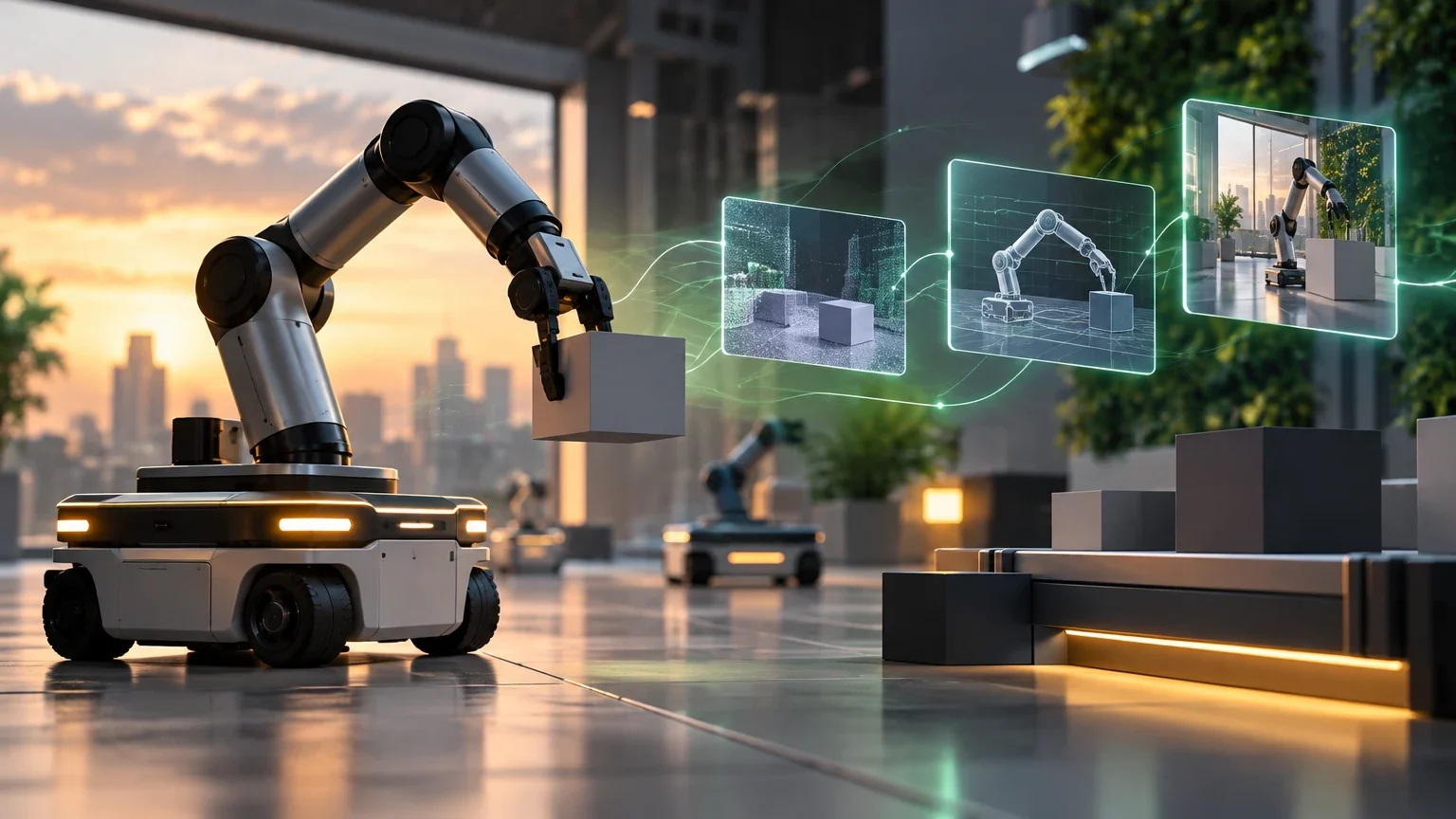
The approach aims to give robots access to more demanding models without placing all of the computation onboard. The sources describe potential benefits, but do not provide enough metrics or detail here to quantify the results.
Isaac ROS version 5.0 adds support for ROS 2 Lyrical and changes to NITROS and rosidl::Buffer. NVIDIA presents it as a foundation for agentic robotics workflows, although the available information does not specify concrete tasks or provide independent validation of results.