Laboratory
Entity that develops or publishes the model and maintains its technical and safety documentation.
Explore the documented models, published evaluations and primary sources associated with this organisation.
Enterprise RAG, multilingual use, and private deployment.
16 SEP 2026↗ ENTERPRISE MULTIMODAL EMBEDDINGMultimodal embedding model for text, images, and mixed documents with configurable dimensions.
18 SEP 2026↗ RAG AND TOOLSPrevious commercial model optimized for RAG, citations, tools, and high performance on enterprise workloads.
18 SEP 2026↗Figures are shown with the context reported by their source. A provider result is not an independent comparison and does not replace your own evaluation.
| Model | Benchmark | Result | Metric |
|---|---|---|---|
| Command A+ | Throughput frente a Command A Reasoning | +110 % | Throughput |
| Command A+ | Latencia frente a Command A Reasoning | −30 % | Latency |
| Cohere Embed 4 | Evaluaciones Embed 4 | Published | Multimodal retrieval |
| Command R 08‑2024 | Evaluaciones Command R | Published | RAG and tool use |
An organization, a product, and a model are not the same unit. Inferama separates them to avoid attributing capabilities or commercial terms to the wrong item.
Entity that develops or publishes the model and maintains its technical and safety documentation.
Identifiable version with limits, modalities, and behavior that may change between releases.
API, application, associated cloud, or commercial plan; each channel may have different pricing, retention, and limits.
Every claim must retain the official page consulted and the verification date.

STRICT, CONTEXTUAL, and NONE—called OFF in Chat V2—change the safety instructions included in a request. They do not certify an application or show how a workflow with documents or tools will behave. This guide explains their scope and proposes a testing protocol.
25 Sep 2026 ↗
A list of capabilities does not show that they work well in combination. This protocol proposes testing Command A+ with images, requests in multiple languages, and simulated tools, while recording successes, errors, latency, and cost.
25 Sep 2026 ↗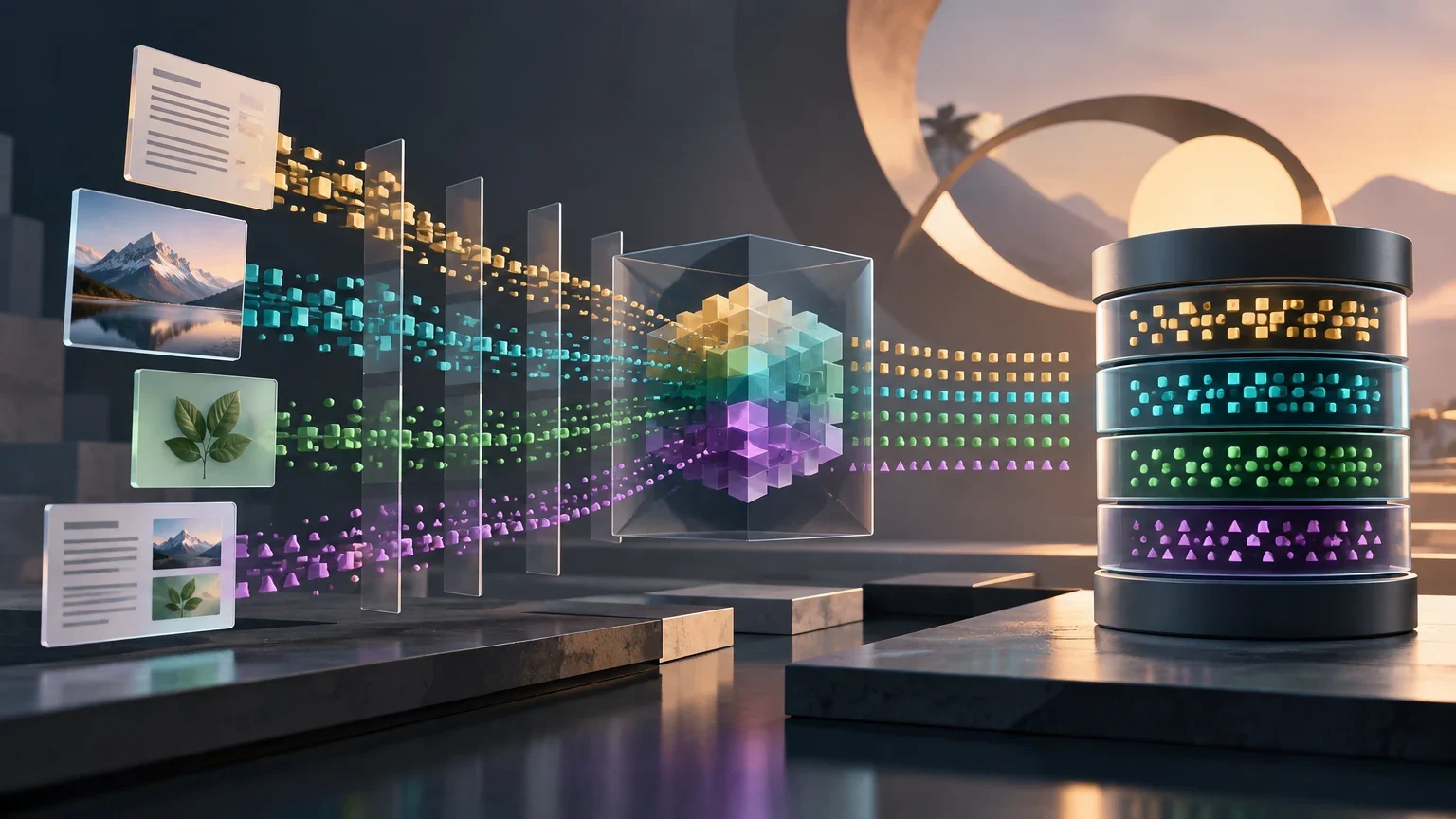
Embed 4 can generate representations for text, images, and mixed inputs. But adding it to an existing index requires recalculating and validating vectors, queries, and configuration. Its specifications alone do not show that retrieval will improve on a particular corpus.
25 Sep 2026 ↗
Using a Cohere model does not, by itself, define where it runs, who operates the infrastructure, which operational data is processed, or how a retirement will be handled. This profile provides a matrix for separating the model, channel, data boundary, evidence, and lifecycle before adopting the service.
22 Sep 2026 ↗
Changing models does not necessarily improve an enterprise assistant. This comparison proposes a reproducible protocol to determine whether Command A+ delivers a net improvement over Command R 08-2024 when both operate on the same corpus, retriever, output contract, and human review process.
22 Sep 2026 ↗
Claude Sonnet 5 and Cohere Embed 4 occupy different layers in a multimodal RAG system. This guide proposes a factorial experiment, with a frozen corpus and conditions, to measure separately whether the right evidence was retrieved and whether the response used it faithfully.
22 Sep 2026 ↗