ANALYSIS

Related analysis

AI-Generated Content Provenance: How to Document Origins Without Confusing Them with a License
GUIA

AI-Generated Content Provenance: How to Document Origins Without Confusing Them with a License

A workflow for recording how an image, video, or audio file is created, modified, and published—and for interpreting provenance credentials with care.

29 Sep 2026
AI-Generated or Library Sound Effects: How to Evaluate Stable Audio 3.0 Before Integrating It
COMPARATIVA

AI-Generated or Library Sound Effects: How to Evaluate Stable Audio 3.0 Before Integrating It

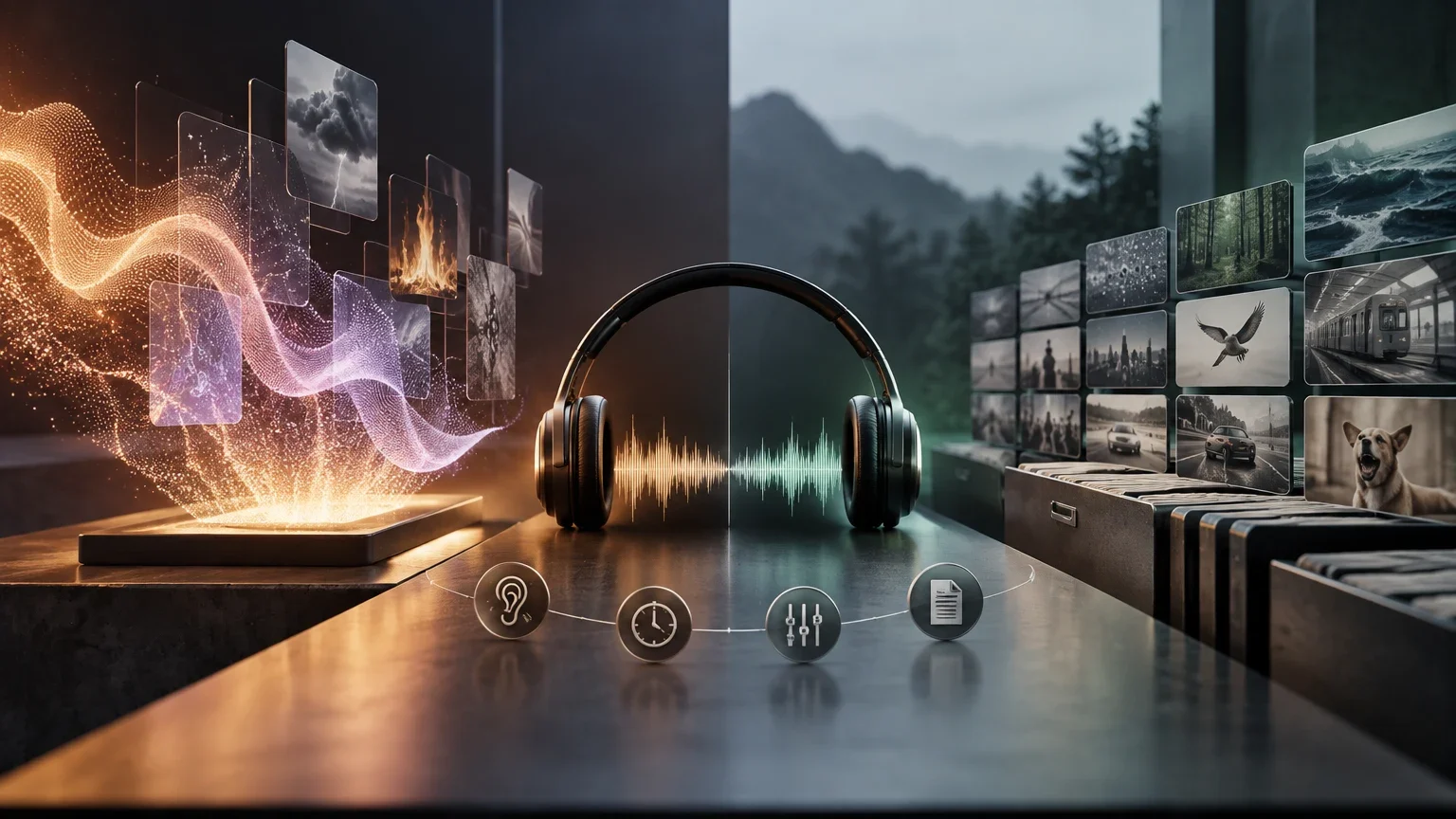
A protocol for comparing Stable Audio 3.0 with licensed-library sound effects—without mistaking an impressive sample for a reliable workflow. Includes listening criteria, time, editing, and rights.

26 Sep 2026
Generative Video in Production: How to Validate Continuity Between Shots, Actions, and Objects Before Publishing or Editing a Sequence
GUIA

Generative Video in Production: How to Validate Continuity Between Shots, Actions, and Objects Before Publishing or Editing a Sequence

A generated shot can be convincing on its own and still be unusable when edited with others. This guide proposes a protocol for evaluating visual, spatial, and narrative continuity in generative-video sequences, recording their traceability, and deciding which clips are approved, which require intervention, and which must be discarded.

23 Sep 2026
Localized AI image editing: how to verify that the model changes only what was requested and preserves the rest of the asset
GUIA

Localized AI image editing: how to verify that the model changes only what was requested and preserves the rest of the asset

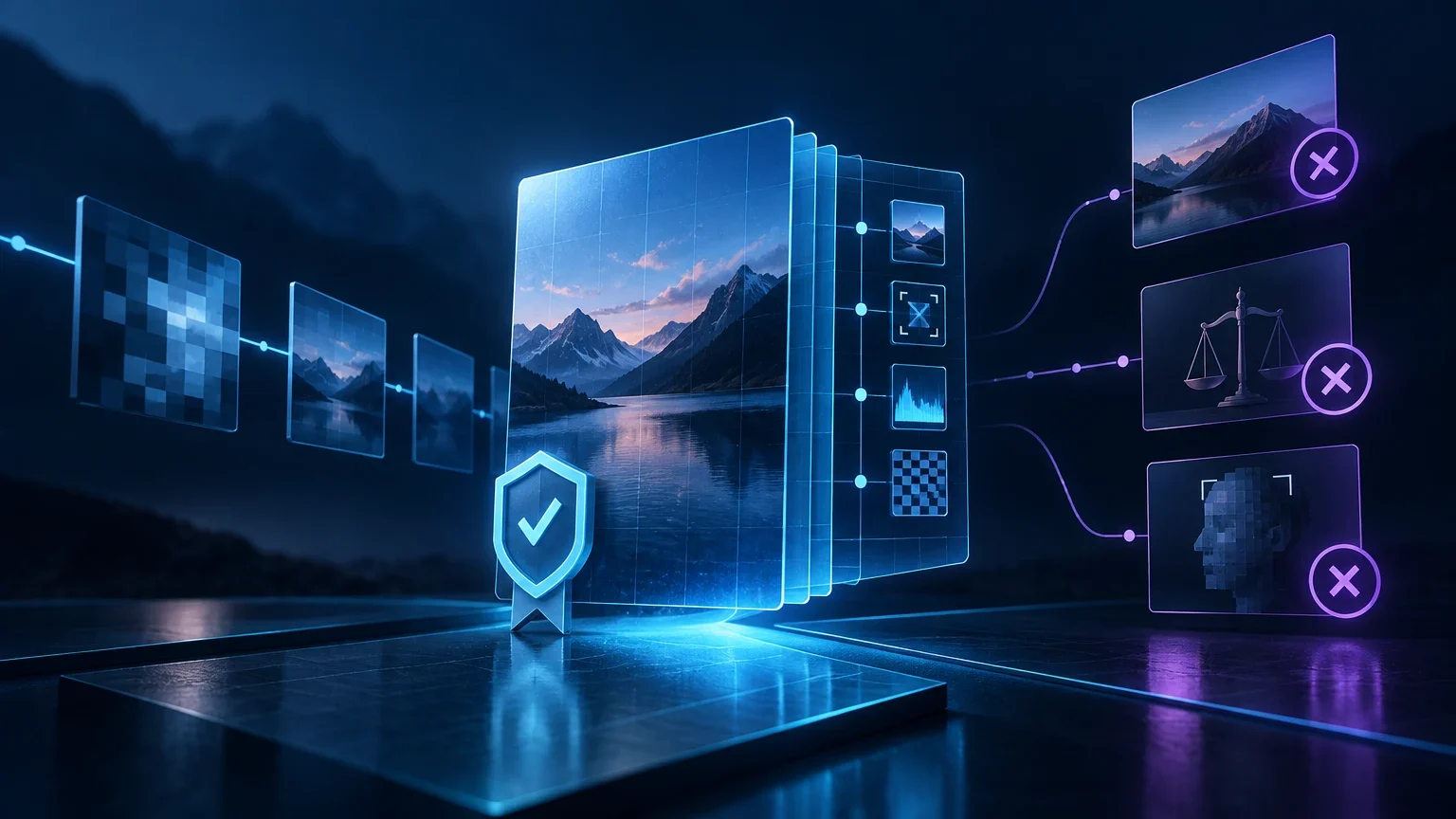
A generative edit that is useful in production is not validated merely because the requested change looks correct. This guide proposes treating every retouch as a preservation contract: define what may change, what must remain, how to measure it, and when to require human review.

23 Sep 2026
Synthetic Voices in Production: How to Demonstrate Consent, Control Likeness, and Remove a Voice Without Losing Traceability
GUIA

Synthetic Voices in Production: How to Demonstrate Consent, Control Likeness, and Remove a Voice Without Losing Traceability

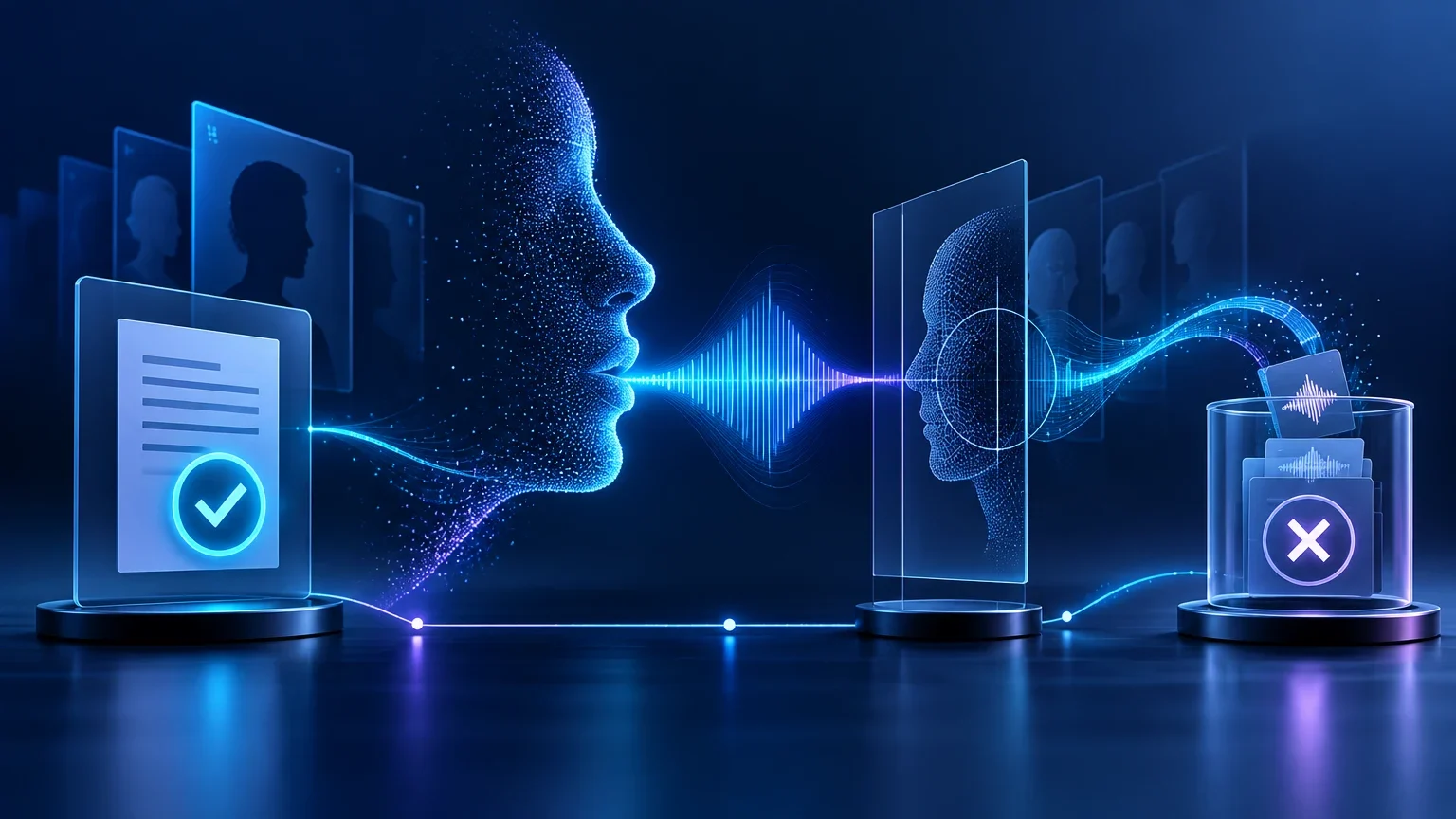
Using a synthetic voice responsibly requires more than a checkbox or a convincing demo. This guide proposes an operating system for linking each audio asset to a specific authorization, controlling the risk of resemblance to identifiable people, disclosing its nature where appropriate, and removing assets when the terms of use change.

22 Sep 2026
AI Image and Video Provenance: When a C2PA Credential Is Evidence—and When It Is Not
GUIA

AI Image and Video Provenance: When a C2PA Credential Is Evidence—and When It Is Not

C2PA credentials can provide cryptographically verifiable evidence about provenance statements and transformations of a file. On their own, they do not prove that an image is true, may be legally reused, or depicts people who gave their consent. This guide sets out a method for assessing, preserving, and communicating that evidence without overstating its conclusions.

22 Sep 2026