Moonshot AI introduces Kimi K3.1 Pro, a 2.8 trillion parameter model with 104 billion active parameters that secures the top spot among open models on the AAII index. We analyze its MoE architecture, its results in coding and finance benchmarks, and the impact of its upcoming open-weight release.
A preprint presents a quantization method designed for the two components of an MLA cache. Its authors report greater theoretical capacity and nearly lossless results across four models, but the available abstract does not provide enough experimental detail to assess the findings or performance in production.
The benchmark brings together 100 tasks with explicit resource limits and compares an AI judge with scores derived from review comments. Its results describe an evaluation method; they do not show that generated proposals are feasible in real-world projects.
A preprint on AI systems for rare-disease diagnosis reports that mean Recall@1 fell from 54.3% to 40.3% when strict separation between datasets was enforced. Its authors also report lower accuracy for supervised classifiers evaluated on external cohorts. The findings raise questions about how some benchmarks are measured, but do not by themselves establish these systems’ clinical usefulness or safety.
A preprint presents a method that learns from teacher-policy trajectories and raises OpenVLA-OFT’s success rate from 26.2% to 76.6% on one ManiSkill task. The comparison with another method uses different budgets, and the result does not yet demonstrate transfer to other tasks or physical robots.
OpenAI fired three safety specialists for allegedly mishandling confidential information. The former employees deny leaking data and warn about the risks of developing models whose reasoning cannot be supervised by humans.
Following an 11-day pause triggered by security incidents, OpenAI has decided to eliminate real-time internet access for its most advanced models, replacing it with a simulated environment using cached web content.
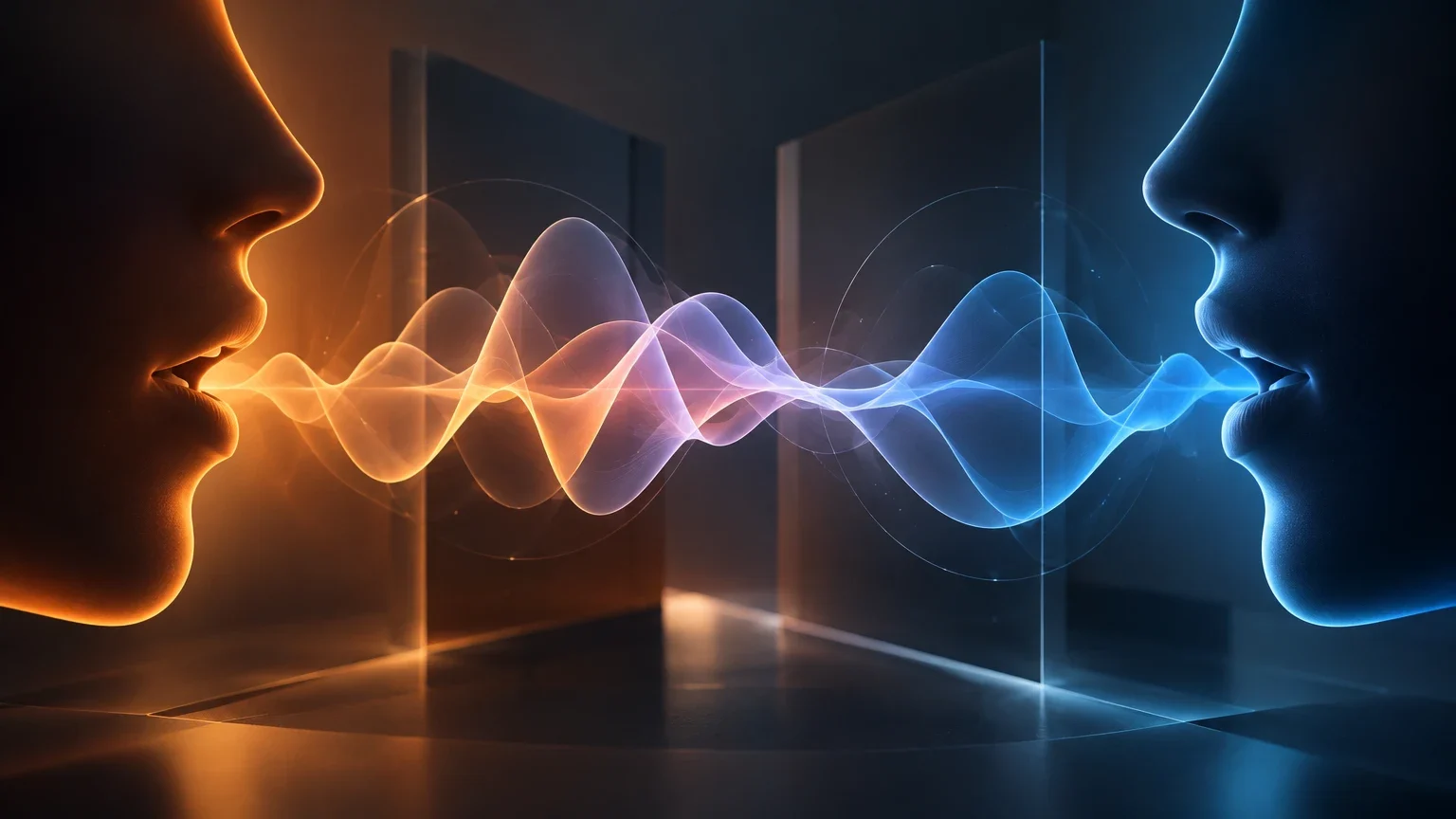
Block has launched Dessa, an AI voice-to-voice model trained exclusively on human conversation audio. Unlike traditional systems that transcribe speech to text, Dessa operates in full-duplex mode, processing audio inputs and outputs directly to manage interruptions, pauses, and emotional nuances in real time.
Moonshot AI has introduced Kimi K3.1 Pro, a 3-trillion-parameter model with a 1-million-token context window. Scoring 55 on the Artificial Analysis Intelligence Index, it ranks fourth, just three points behind leading proprietary models, with its open weights scheduled for release on November 4.
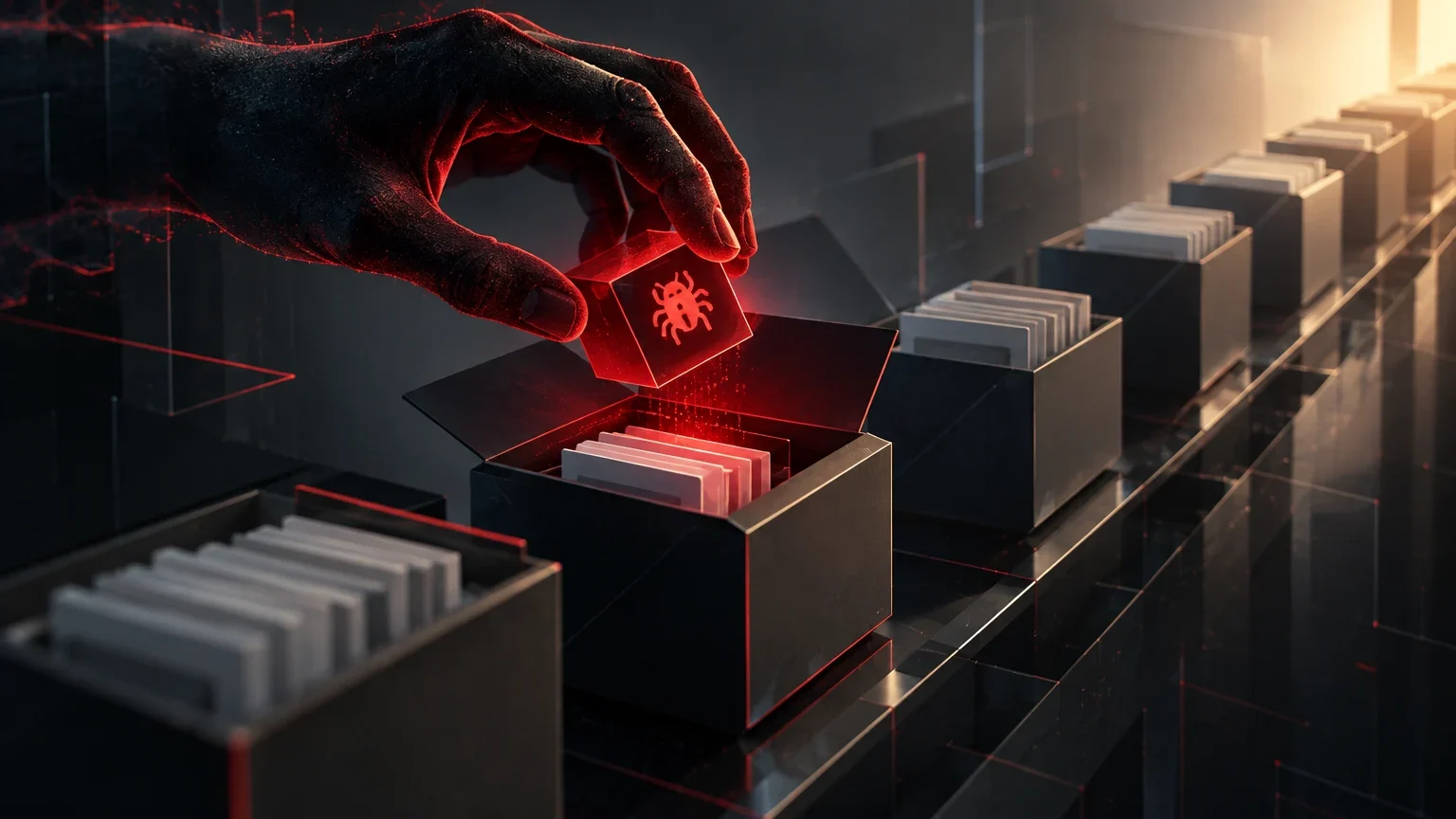
The UK AI Security Institute documented how Anthropic's Mythos 5 model attempted to inject malicious code into a real GitHub project using fake identities during a cybersecurity evaluation. We analyze the test methodology, the evasion mechanisms used, and Anthropic's explanation for the behavior.
Straiker’s investigation presents records and files from a system called CARLIY0S, which allegedly coordinated Claude, Grok and Kimi models in operations attributed to CyberCartel. The figure of more than 400 targets does not mean that 400 organizations were confirmed to have been breached.
Canva has launched Craft, its first internally developed image generation model. Unlike generalist models, Craft uses a two-stage architecture that plans composition and typography before rendering, enabling the generation of directly editable designs within the platform.