A preprint describes a system that retrieves domain-specific definitions of sensitive information at inference time. Its initial results favor its detection recall over a reference classifier in most tested combinations, although the information available does not make it possible to assess all error types or its readiness for real-world use.
Google’s pilot lets Gemini handle some simple business calls for users. For now, it is limited to Pixel 11 owners in the United States who pay for a Gemini subscription. Users can monitor the call and take over.
Google announces Live Avatar for Gemini Enterprise: a visual representation that accompanies conversations and synchronizes its movements with speech. Availability, performance, and supported modalities have limits worth keeping in mind.
OpenAI documentation sets a retirement date for the Videos API and the Sora 2 and Sora 2 Pro models, and does not list a replacement. Teams can start by inventorying their dependencies and backing up assets they have already downloaded; the available sources do not clarify what will happen to jobs and metadata after shutdown.
Anthropic says Claude agents detected a pattern associated with reverse transcriptases in bacteriophage DNA. Researchers conducted laboratory tests, but the system’s function remains unknown, and the available evidence does not establish an application comparable to CRISPR.
OpenAI describes a set of synthetic conversations assessed against criteria written by licensed professionals. The announcement outlines the benchmark’s design, but the available information is not enough to confirm reproducible model comparisons or measure performance in real-world clinical care.
Media outlets have attributed two new text-to-speech models, Flash TTS and Flash-Lite TTS, to Google. The official documentation provided does not yet list them, so their capabilities, availability, and performance still require confirmation.
The approach aims to give robots access to more demanding models without placing all of the computation onboard. The sources describe potential benefits, but do not provide enough metrics or detail here to quantify the results.
Anthropic presents Opus 5.5 with lower per-token prices than Opus 5 and improvements it attributes to its own evaluations. Available documentation confirms the context window, output limit and availability information, but does not resolve every question about comparability, safety restrictions or real-world savings per task.
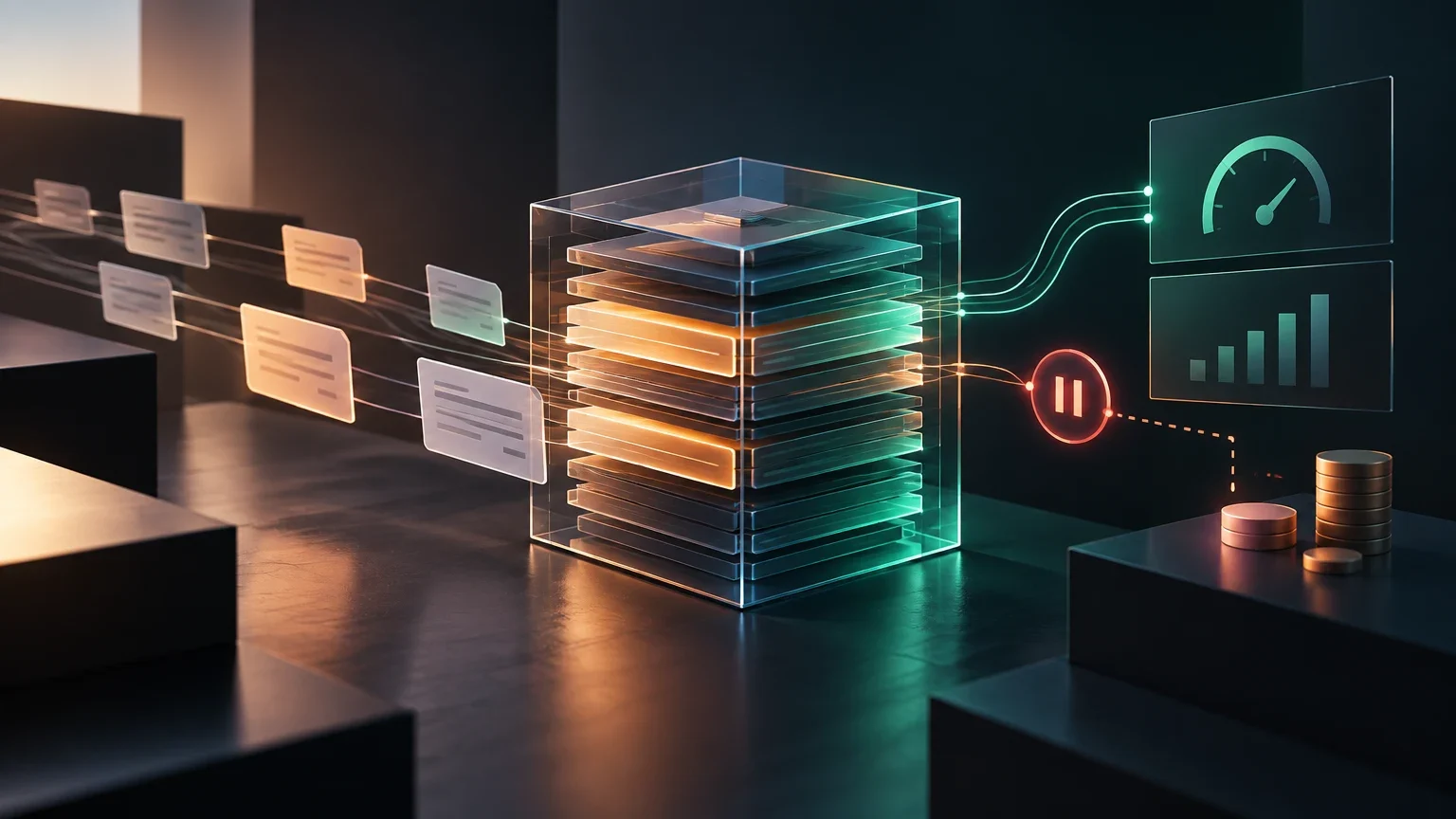
OpenAI announces diagnostics and explicit breakpoints for GPT‑6 prompt caching. Their effect on latency and cost will depend on request patterns and should be verified with your own measurements.
OpenAI positions Sol and Luna as GPT-6 family options with different cost and capability profiles. The company says prices are 50% lower than GPT-5.6’s promotional prices, but the available sources do not provide the unit rates here or independently verify the reported performance improvements.
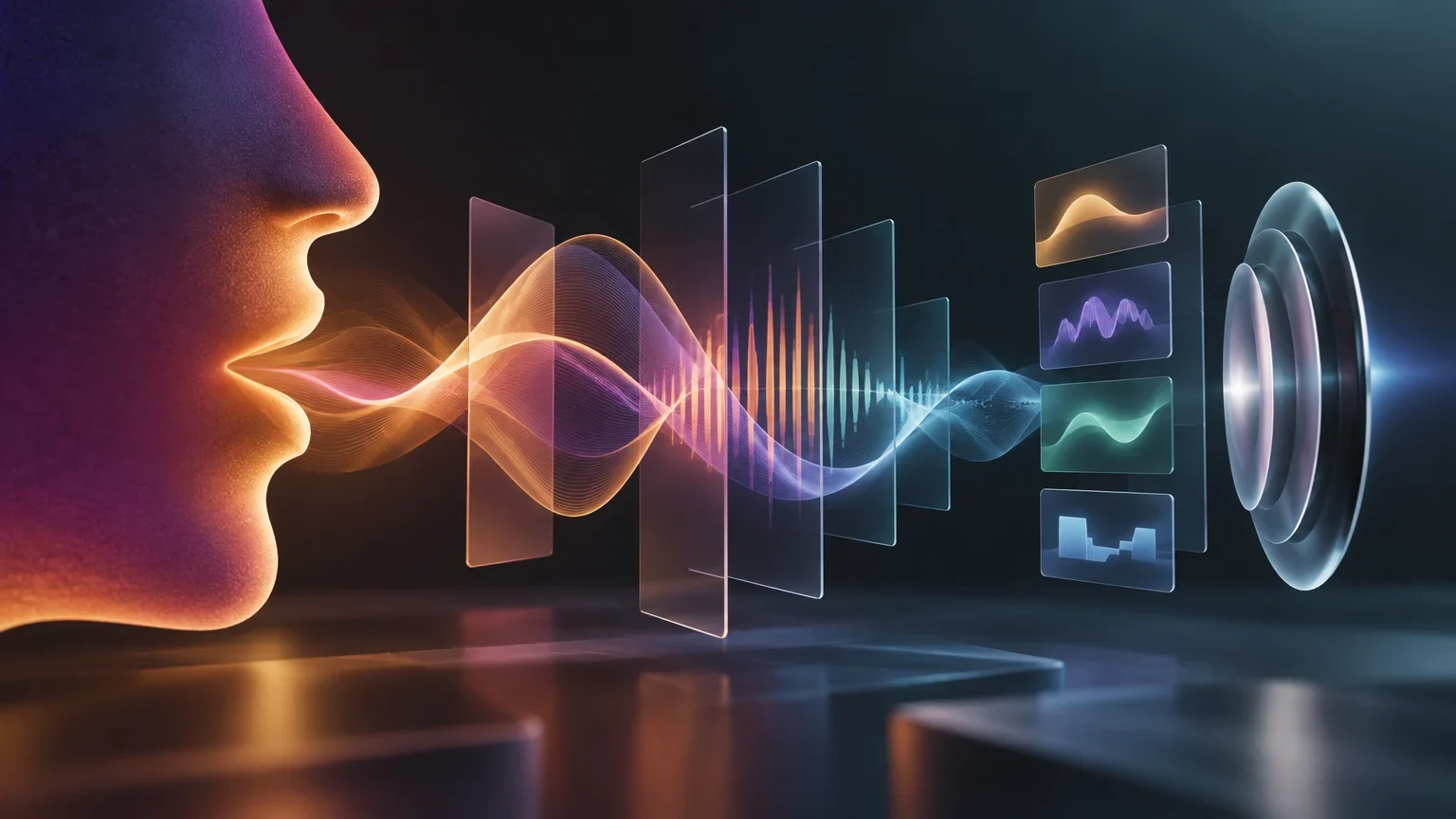
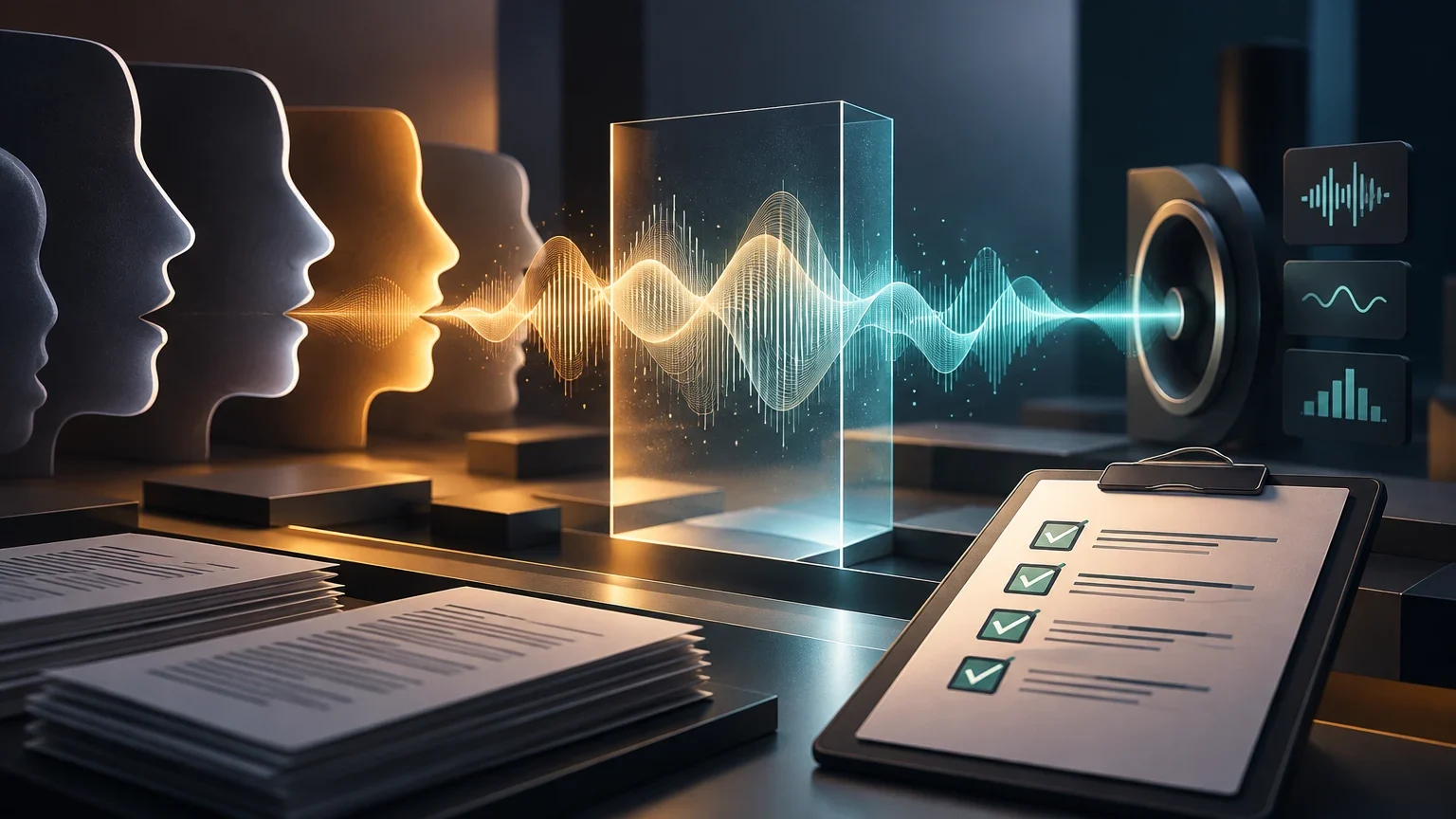
Mistral AI documents Voxtral TTS as a speech-generation service with streaming and several output formats. Before replacing a provider or model in calls, notifications, or published content, a team should verify not only audible quality, but also technical, operational, and data-contract compatibility through a regression suite using its own scripts.