The approach aims to give robots access to more demanding models without placing all of the computation onboard. The sources describe potential benefits, but do not provide enough metrics or detail here to quantify the results.
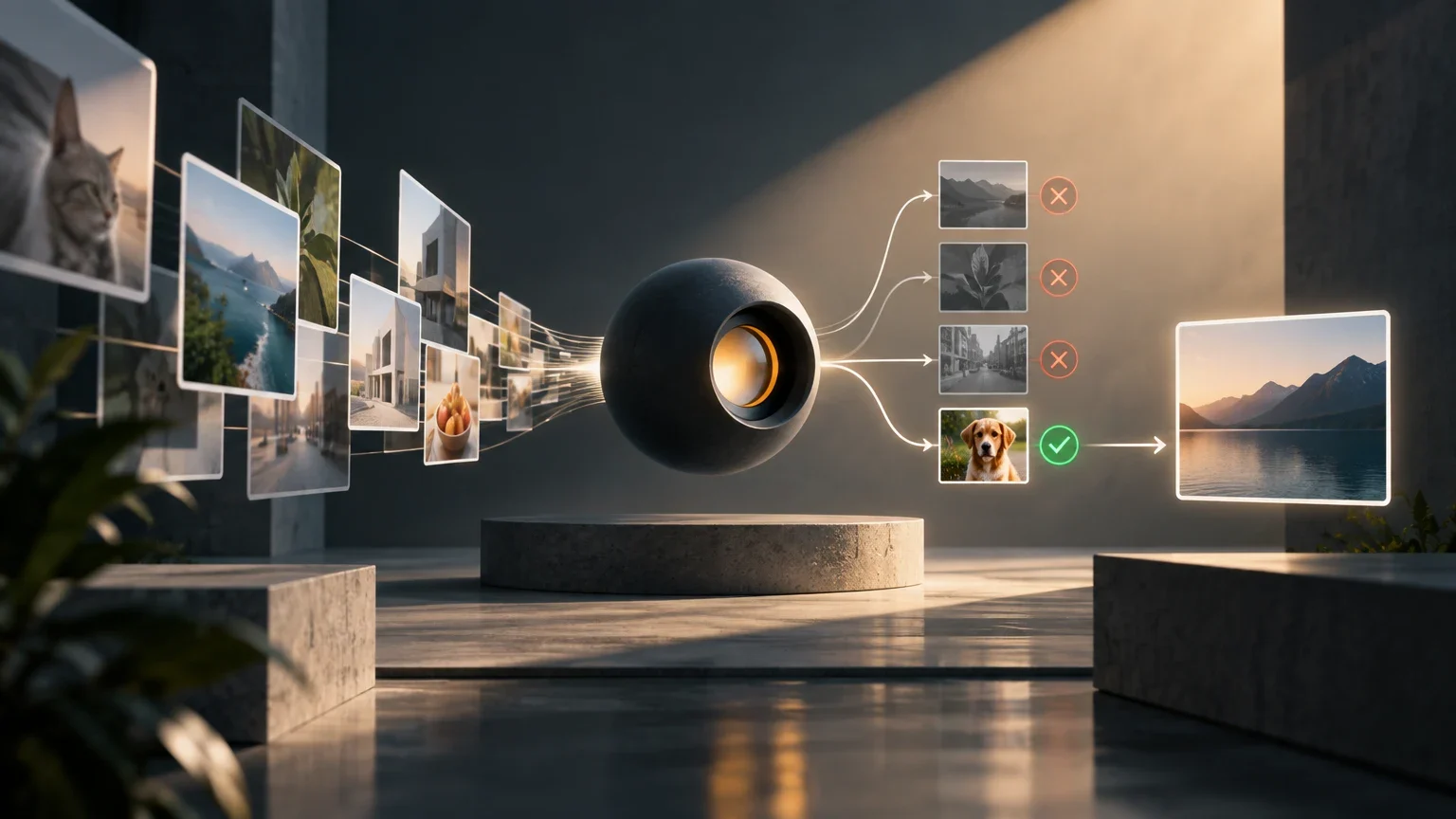
CounterCredit evaluates whether each visual call was needed to answer a question and whether the agent used the image it received. Its results are promising across three benchmarks, but they do not yet show that the method generalizes beyond those tests.
Anthropic presents Opus 5.5 with lower per-token prices than Opus 5 and improvements it attributes to its own evaluations. Available documentation confirms the context window, output limit and availability information, but does not resolve every question about comparability, safety restrictions or real-world savings per task.
OpenAI’s new model combines reasoning, computer use and a very large context window. Its reported gains matter, but they do not replace local testing or controls over permissions, data and irreversible actions.
Anthropic introduced Claude Opus 5 on 24 July 2026 as a model aimed at programming, knowledge work and multi-step workflows. The company says it improves the performance-to-cost balance compared with Opus 4.8, but its comparisons call for caution: they combine in-house tests, different effort settings and, in some cases, fallback mechanisms involving earlier models.