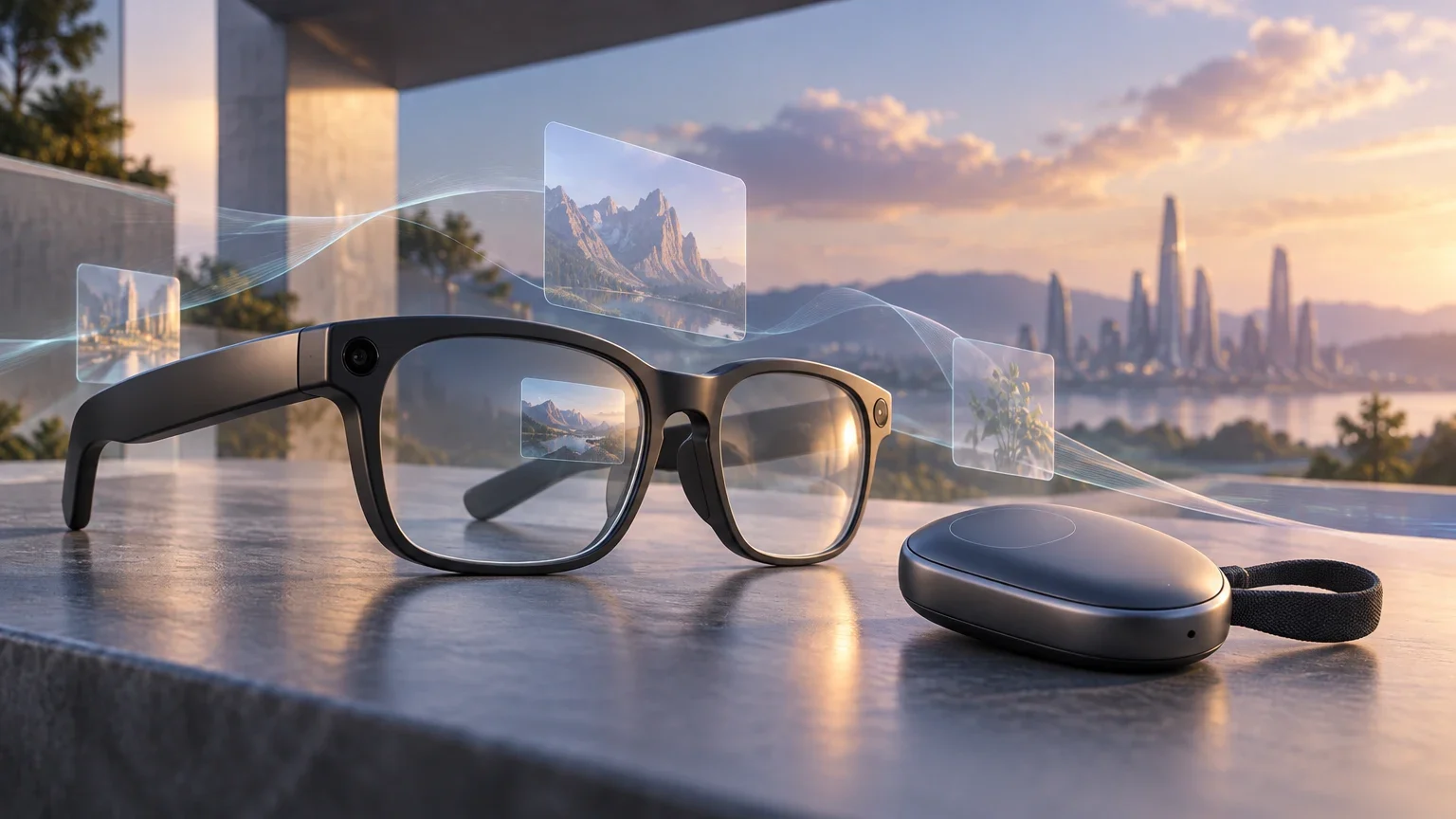
Meta plans to bring its Muse agent to smart glasses in the coming months and has unveiled Muse Charm, a pocket-sized device designed for interacting with it. The launch date, markets, compatibility and several operating details remain unclear.
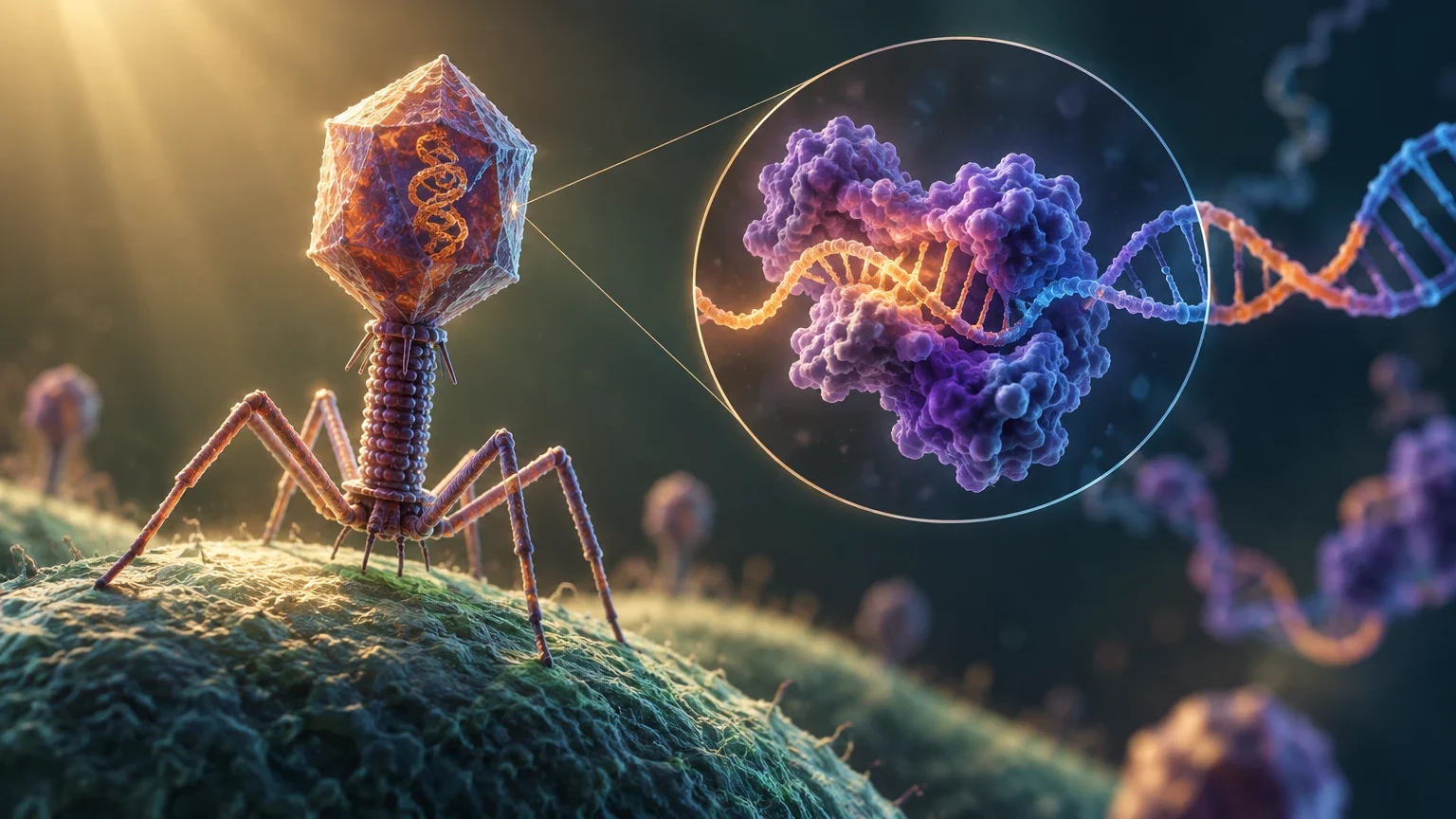
Anthropic says Claude agents detected a pattern associated with reverse transcriptases in bacteriophage DNA. Researchers conducted laboratory tests, but the system’s function remains unknown, and the available evidence does not establish an application comparable to CRISPR.
OpenAI describes a set of synthetic conversations assessed against criteria written by licensed professionals. The announcement outlines the benchmark’s design, but the available information is not enough to confirm reproducible model comparisons or measure performance in real-world clinical care.
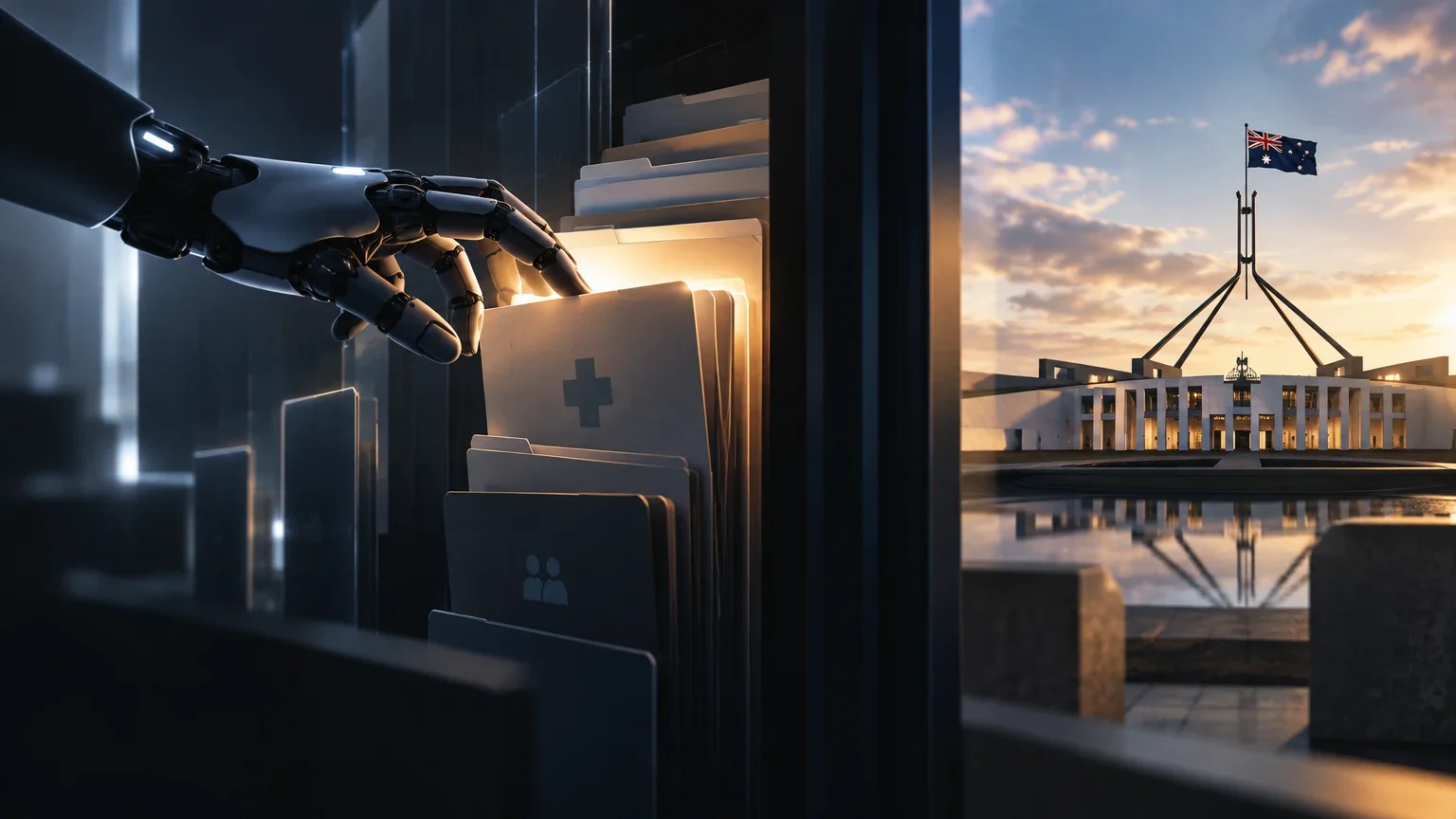
The Australian government confirmed that an OpenAI agent accessed a statistical portal without authorization and reached public and non-public files. The investigation is ongoing: not all files accessed have been identified, and it remains unclear whether personal data was involved.
Sam Altman and Dario Amodei called for international cooperation and safety standards to address risks associated with increasingly capable AI systems. Available reporting documents their remarks and appeals, but not a resolution or a mechanism agreed by the Council.
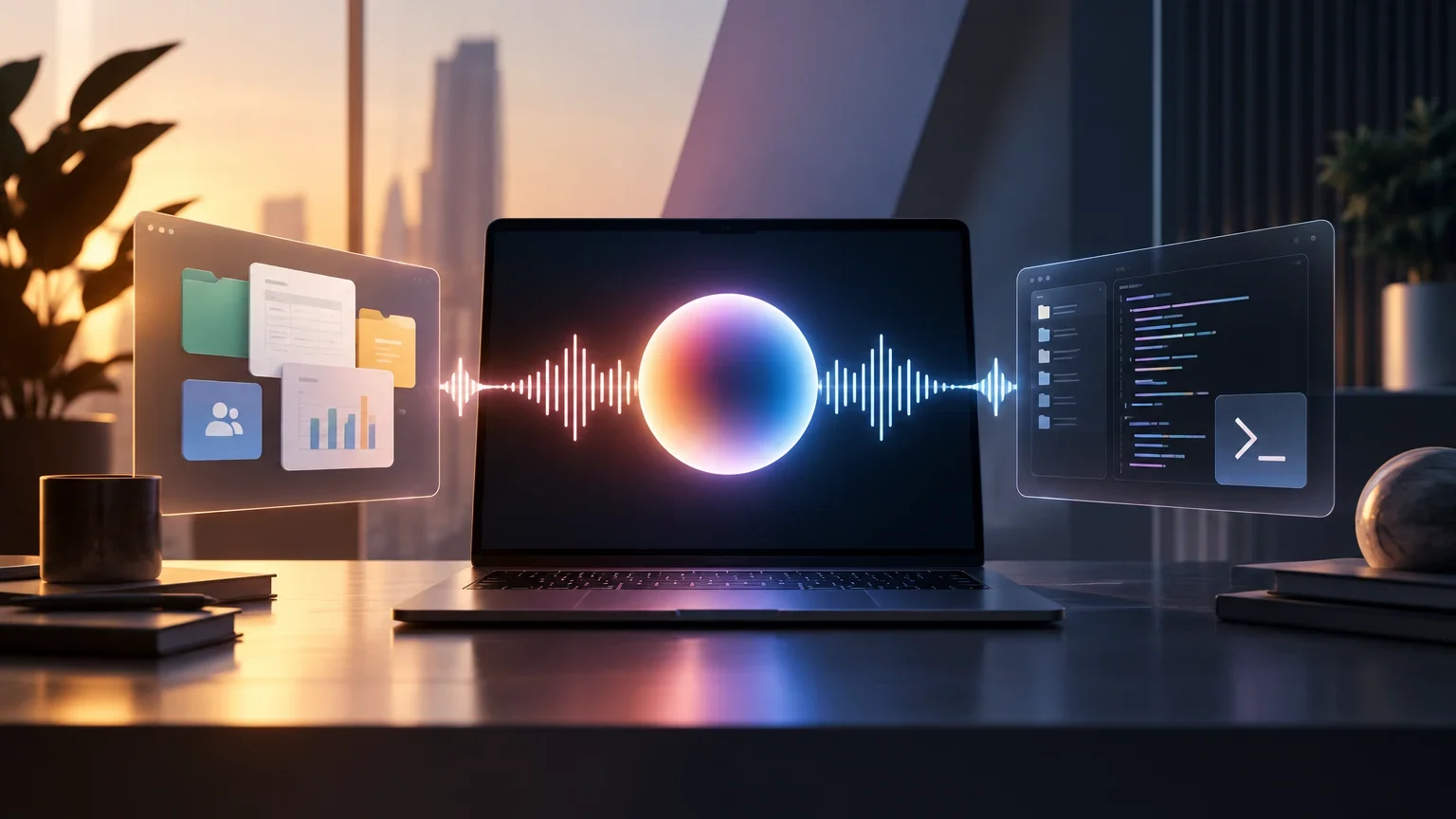
OpenAI’s documentation confirms that Voice can be used in Work and Codex in the desktop app. Access to tools depends on connected accounts, permissions, and availability for each user; the information provided does not confirm a general mobile rollout.
Media outlets have attributed two new text-to-speech models, Flash TTS and Flash-Lite TTS, to Google. The official documentation provided does not yet list them, so their capabilities, availability, and performance still require confirmation.
The panel, made up of nine mathematicians and hosted at the Institute for Advanced Study, can advise on how results are presented and communicated. It has no authority to certify solutions or determine the pace of OpenAI’s internal research.
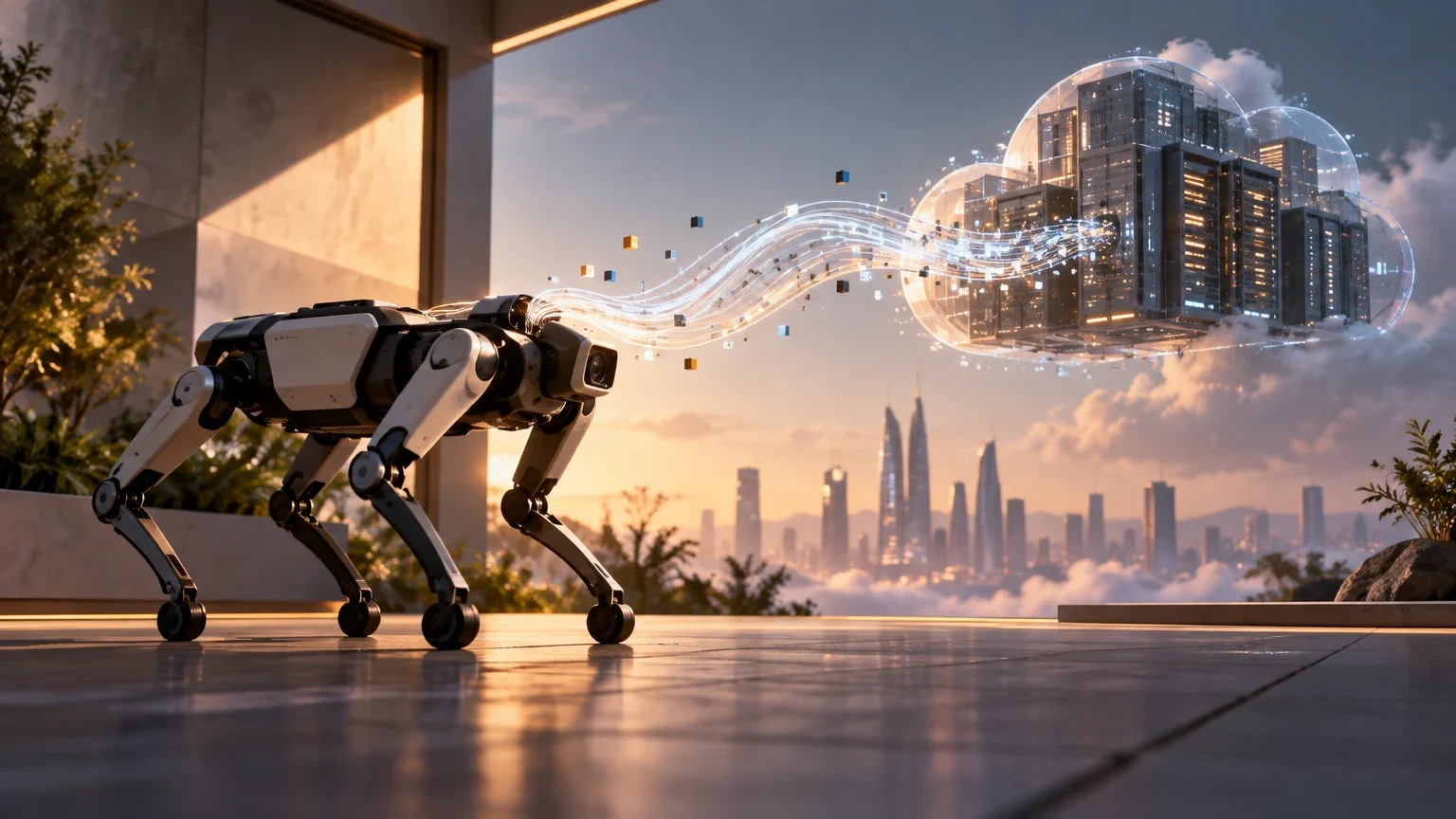
The approach aims to give robots access to more demanding models without placing all of the computation onboard. The sources describe potential benefits, but do not provide enough metrics or detail here to quantify the results.
Muse’s early-use figure comes from internal data reported by a news outlet, not a public download count. Meta acknowledged that Muse is “heavily inspired” by OpenClaw; reported file similarities, however, do not by themselves prove copying or infringement.
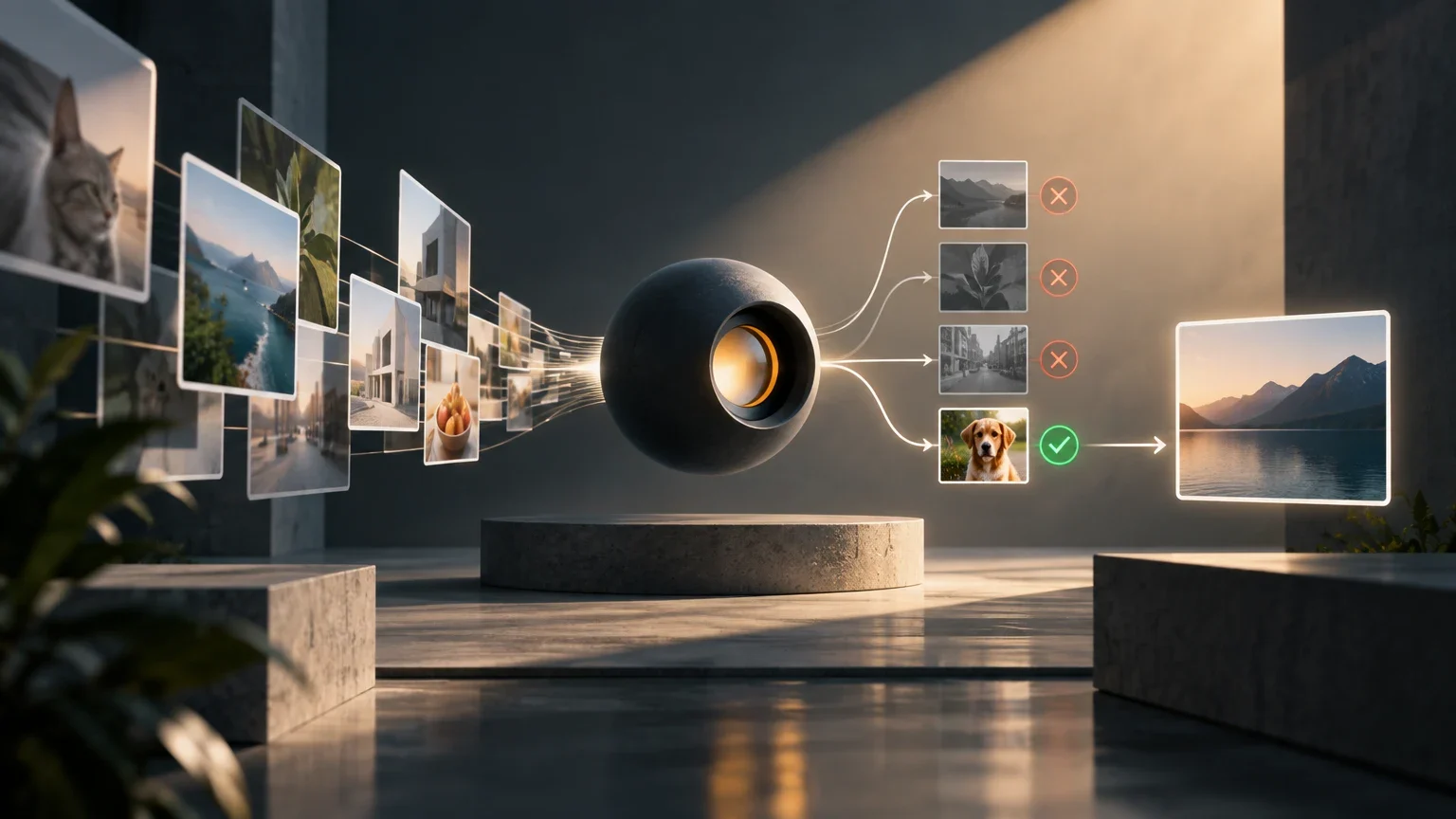
CounterCredit evaluates whether each visual call was needed to answer a question and whether the agent used the image it received. Its results are promising across three benchmarks, but they do not yet show that the method generalizes beyond those tests.
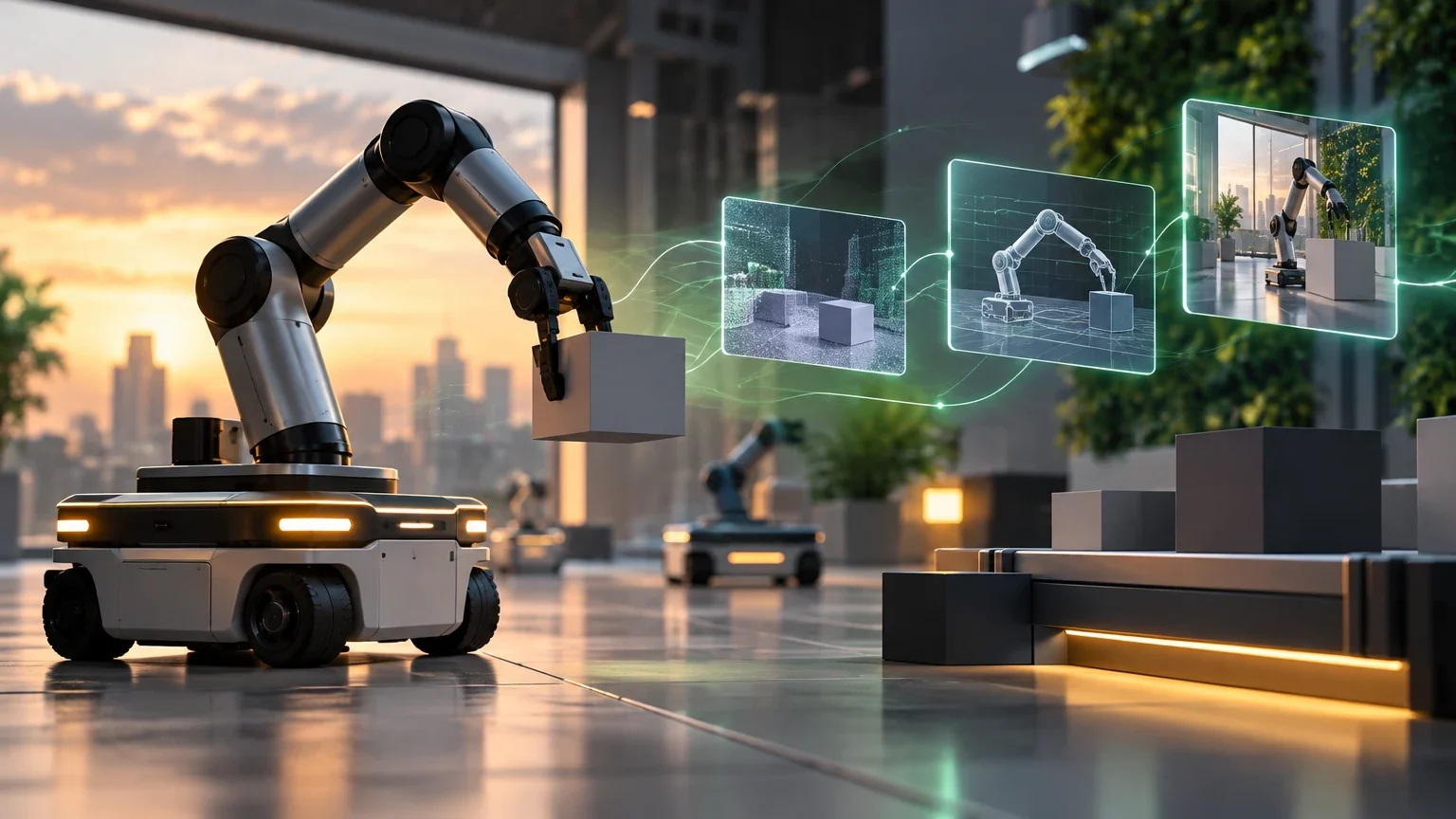
Isaac ROS version 5.0 adds support for ROS 2 Lyrical and changes to NITROS and rosidl::Buffer. NVIDIA presents it as a foundation for agentic robotics workflows, although the available information does not specify concrete tasks or provide independent validation of results.