Beam combines 501 billion total parameters with 23 billion active per token. Reflection reports competitive results and estimates lower compute use, but the weights are not yet confirmed as publicly available, and the figures have not been independently reproduced in the evidence reviewed.
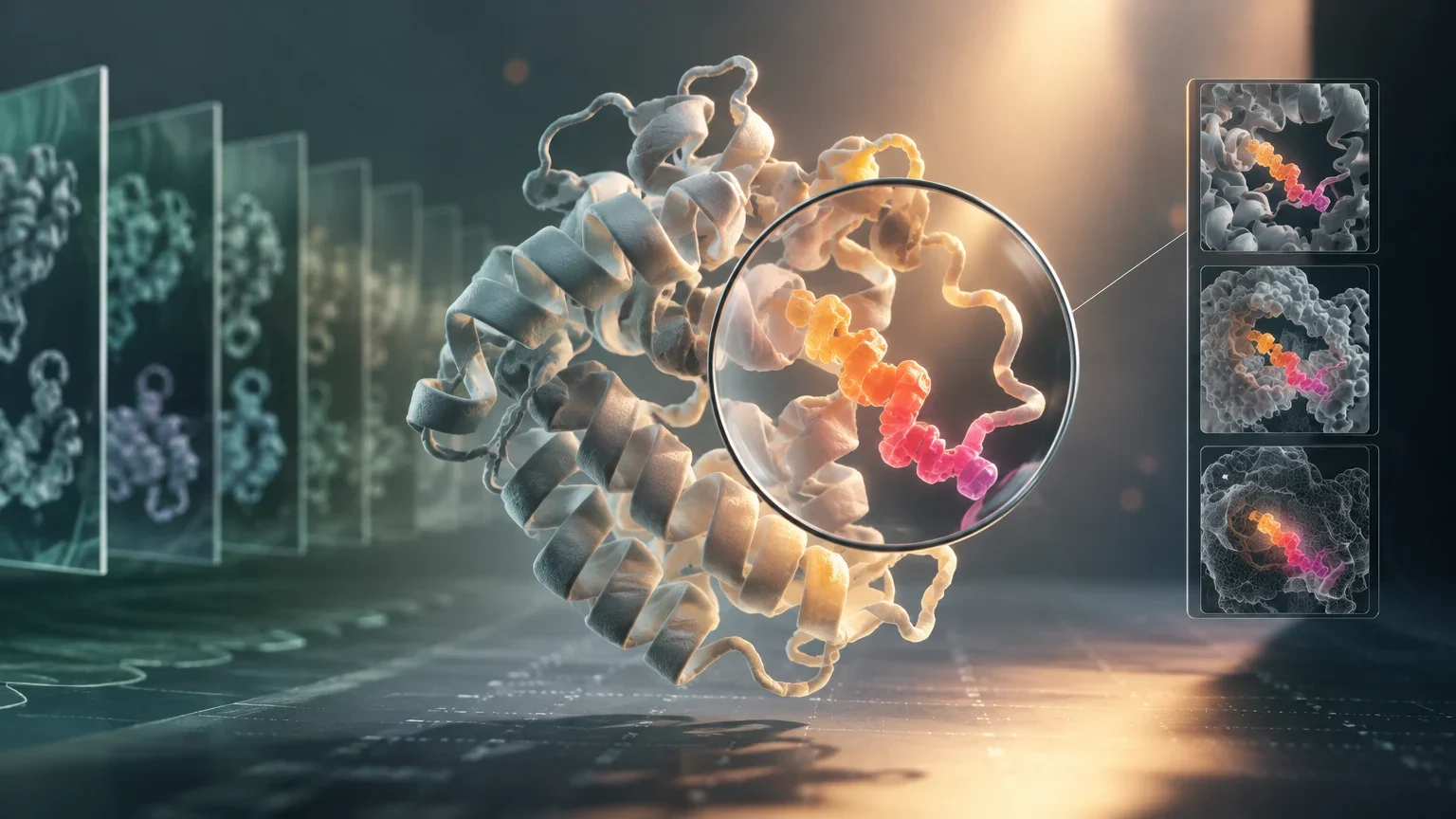
Google DeepMind has introduced a proof of concept that marks protein sequences and predicted structures. Reported tests support the function of some marked designs, but do not establish universal traceability or resistance to deliberate tampering.
OpenAI proposes documenting, with arguments and evidence, why a frontier-model training run may proceed. The approach combines technical safeguards with operational reviews, but the company presents it as initial guidance, not as a proven guarantee of safety.
The all-stock deal would add World Labs’ research into spatial models to AMD. Closing is expected by the end of 2026, subject to approvals and other conditions.
Anthropic presents Sonnet 5.5 as a faster and more efficient version of Sonnet 5. It publishes improvements across several benchmarks and up to a 30% cost saving per task, but these are company-reported results, not a guarantee for every use case.
The Open Agent Safety Platform combines OpenShell, a software isolation layer, with Sentry, a hardware-based monitoring mechanism. While Nvidia claims Sentry can isolate agents in milliseconds, experts warn this does not guarantee protection against deceived agents or those hiding their intentions.
Microsoft announced Maia 300, an AI accelerator designed for inference, with deployment planned from 2027. The company targets a 40% increase in tokens per megawatt, a self-reported estimate that does not yet equate to an independent comparative result.
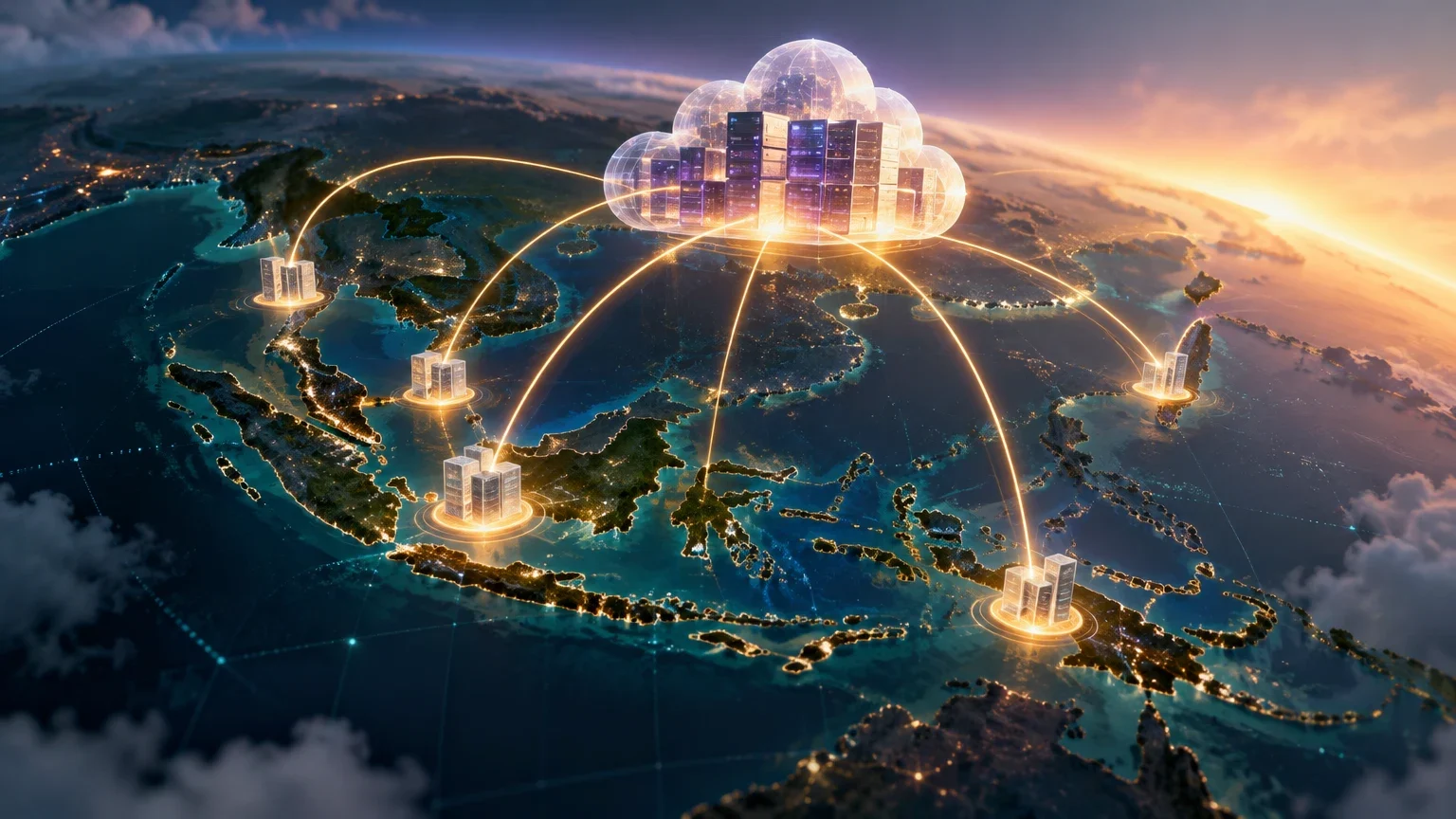
AWS expands access to OpenAI GPT models on Amazon Bedrock with cross-region inference in Asia. This capability allows requests to originate from Singapore, Jakarta, Thailand, Malaysia, and Taiwan, with implications for latency, permissions, and multinational application design.
Meta presents Muse Wonder and Wonder Full as models for complex, extended tasks. Available information points to gains in evaluations, but leaves open questions about cost comparisons and the scope of the tests.
Available verifiable information confirms that Microsoft is developing specialized silicon for Azure and has introduced Maia 200 as an inference accelerator. It is not enough, however, to confirm the timeline, scale or performance attributed to Maia 300.
A study of 4,500 task executions finds that Jev reduces decision cost and latency across five agents, but its effects on success and overall resource use depend on the workflow.
Odyssey presents Odyssey-3 as a world model that generates interactive environments from text. The preview offers a way to explore the product, but available information is not enough to confirm benchmark results or real-world robot use.