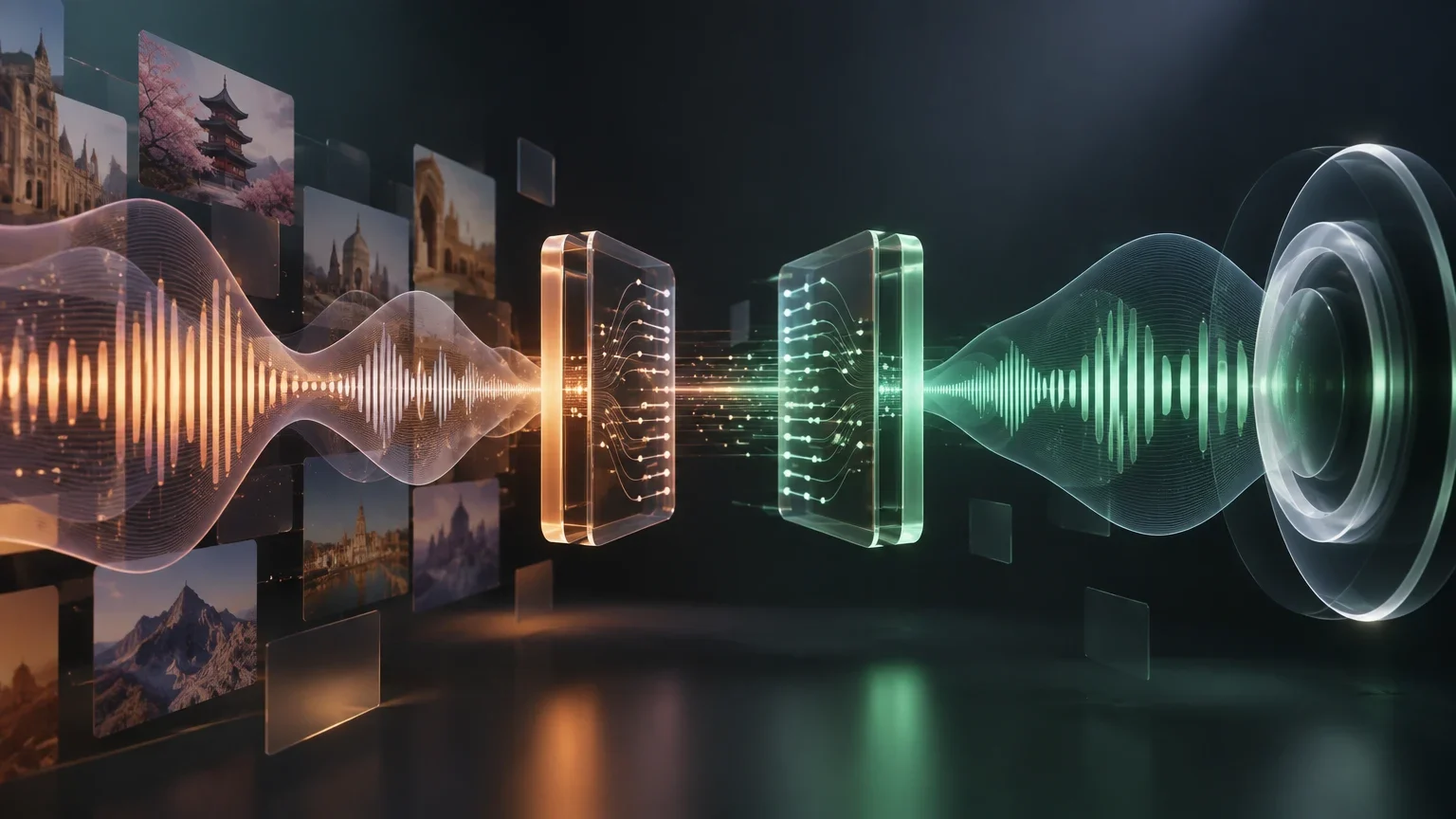
Block has launched Dessa, an AI voice-to-voice model trained exclusively on human conversation audio. Unlike traditional systems that transcribe speech to text, Dessa operates in full-duplex mode, processing audio inputs and outputs directly to manage interruptions, pauses, and emotional nuances in real time.
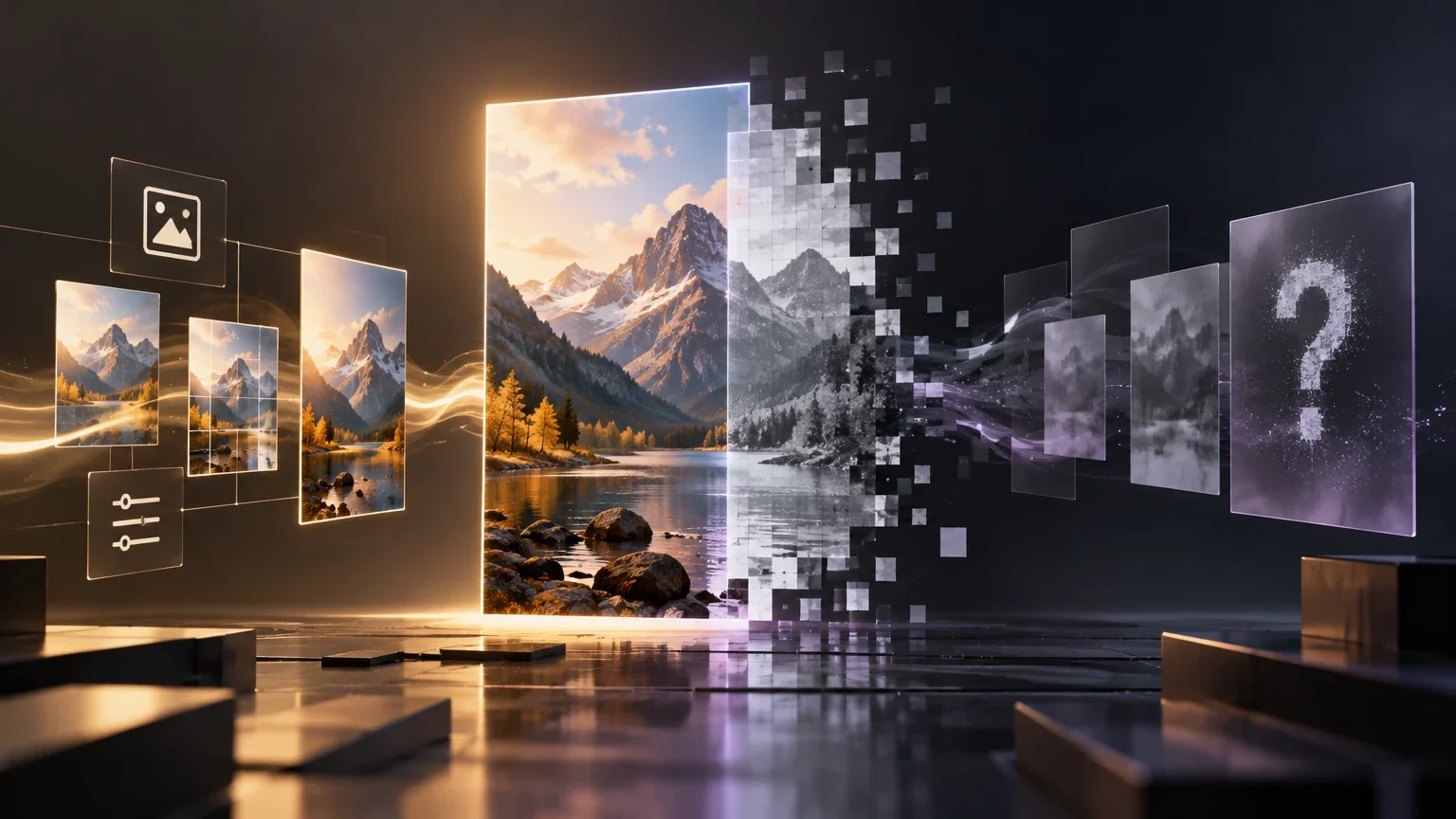
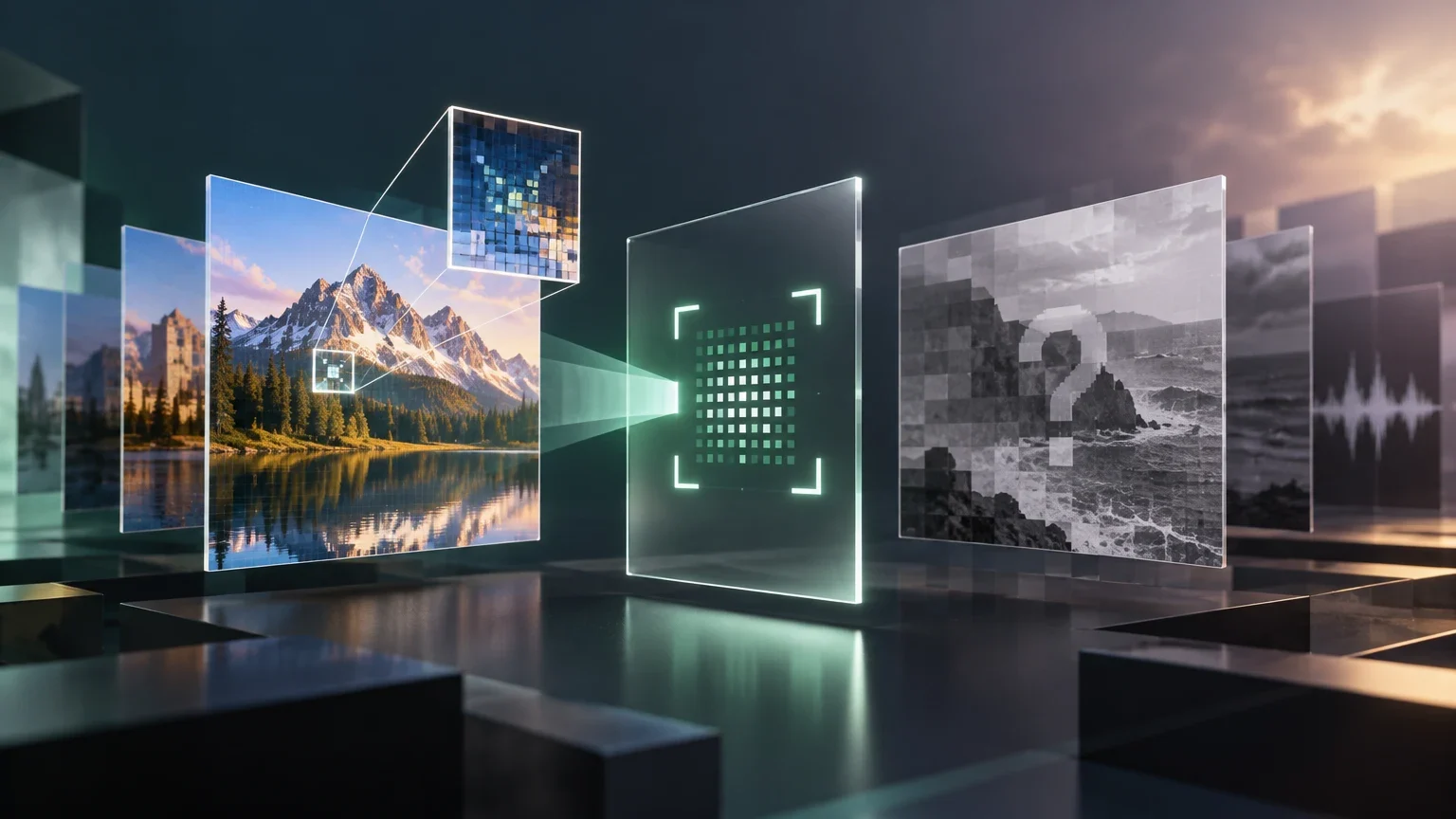
Canva has launched Craft, its first internally developed image generation model. Unlike generalist models, Craft uses a two-stage architecture that plans composition and typography before rendering, enabling the generation of directly editable designs within the platform.
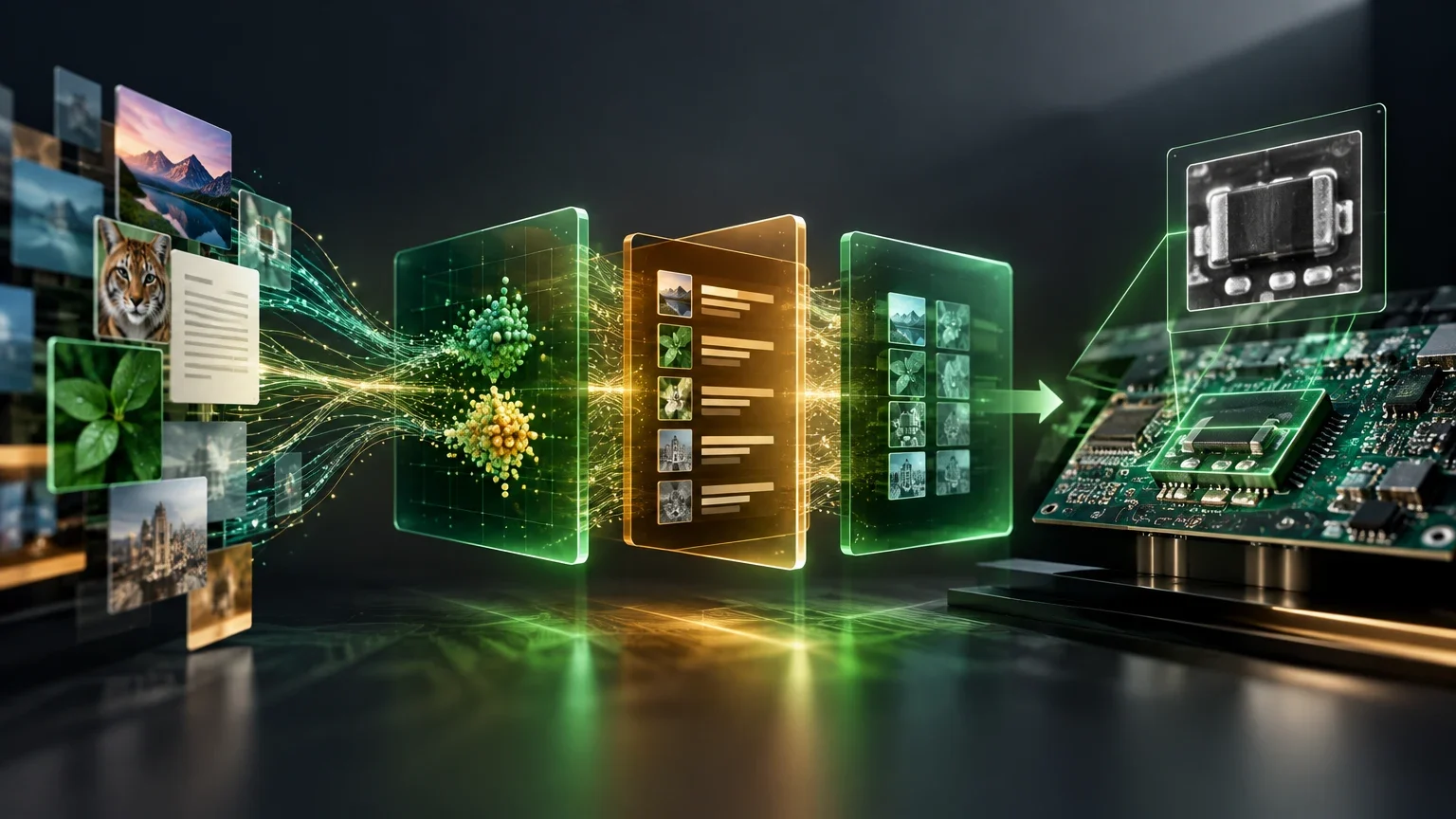
Four NVIDIA models were made public on October 20, 2026: two embedding systems, a multimodal reranker, and an image editing model for board inspection. All operate under the OpenMDW 1.1 license and require self-hosted infrastructure.
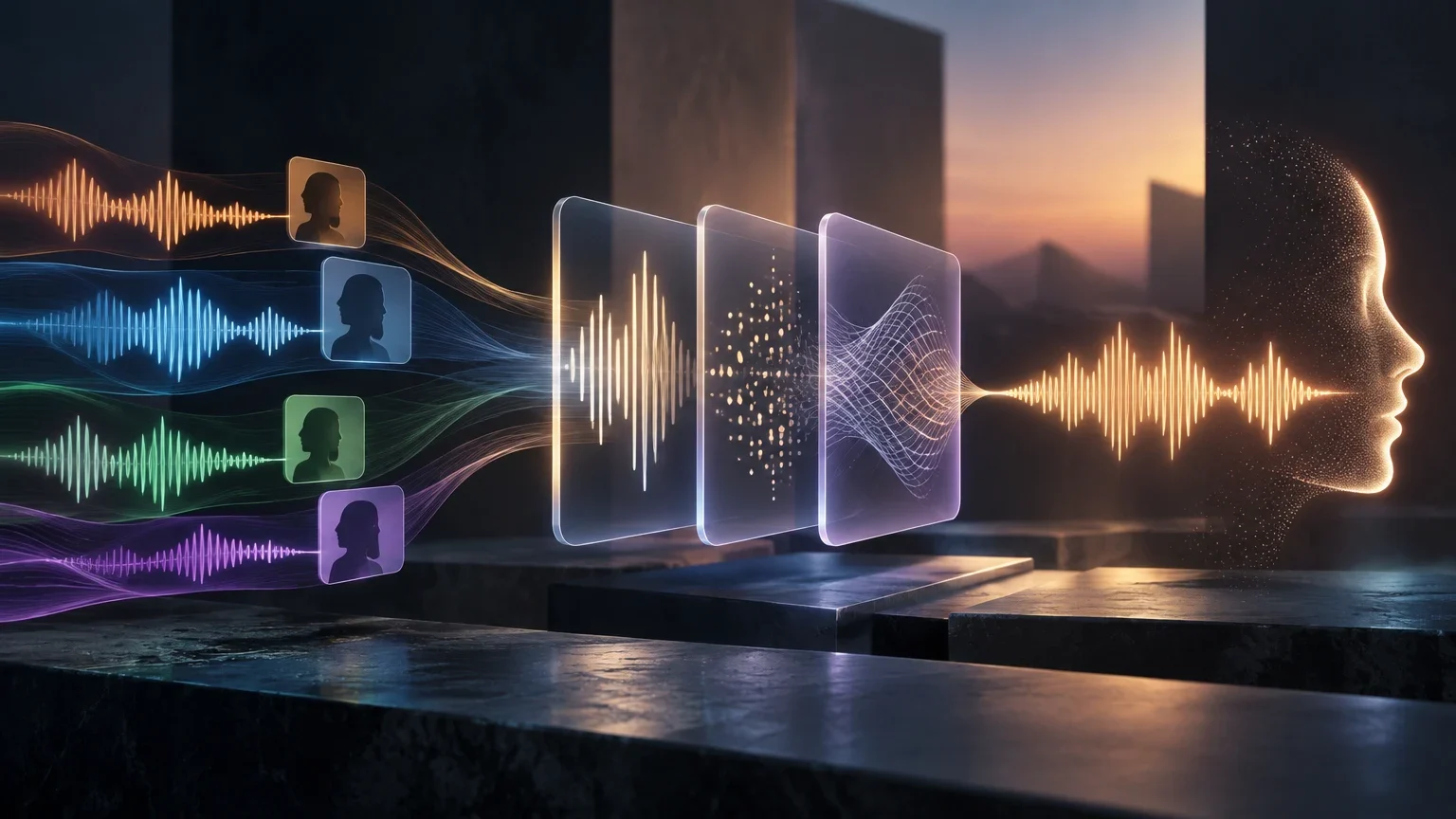
On October 20, 2026, Mistral AI presented four audio models: Voxtral Small Transcribe 3, Voxtral Mini Transcribe 3, Voxtral Mini Transcribe Realtime 3, and Voxtral TTS 3. The new generation offers transcription with speaker diarization, multilingual support, and speech synthesis with voice cloning, available in public preview via its API.
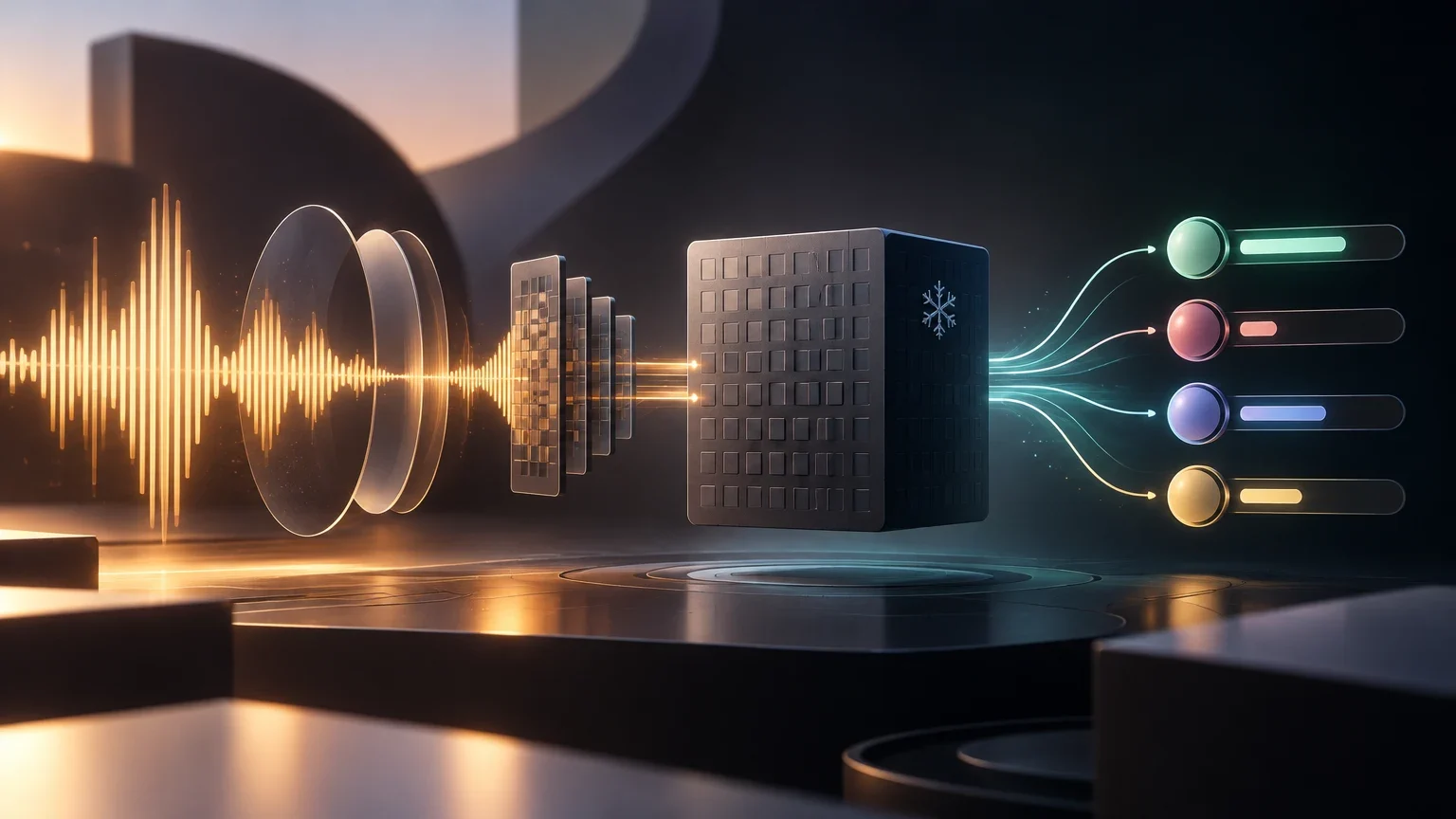
A preprint introduces a method that connects a speech encoder to a frozen LLM to answer closed-set questions via probability distributions over options, reducing latency in real-time voice agents.
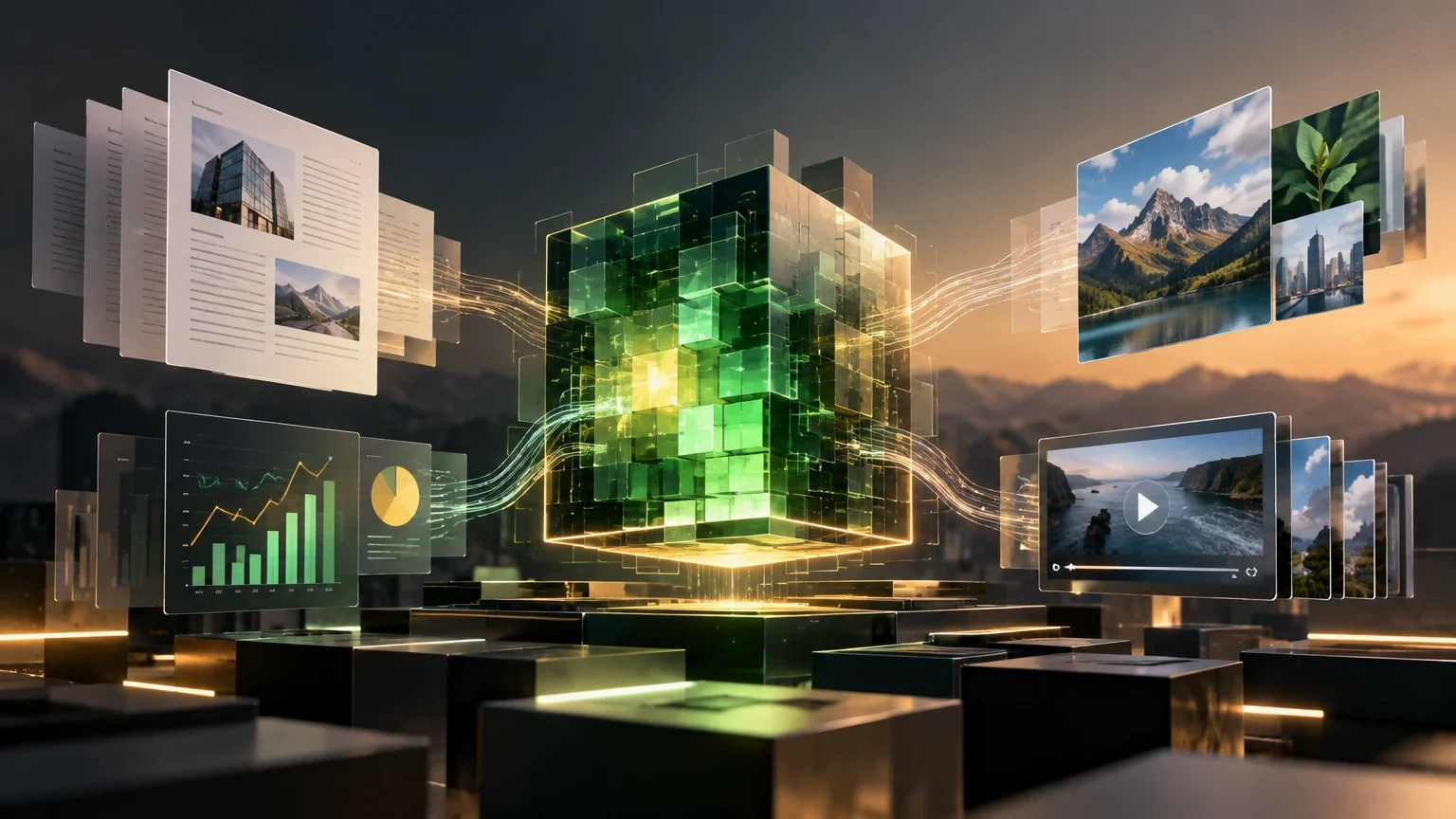
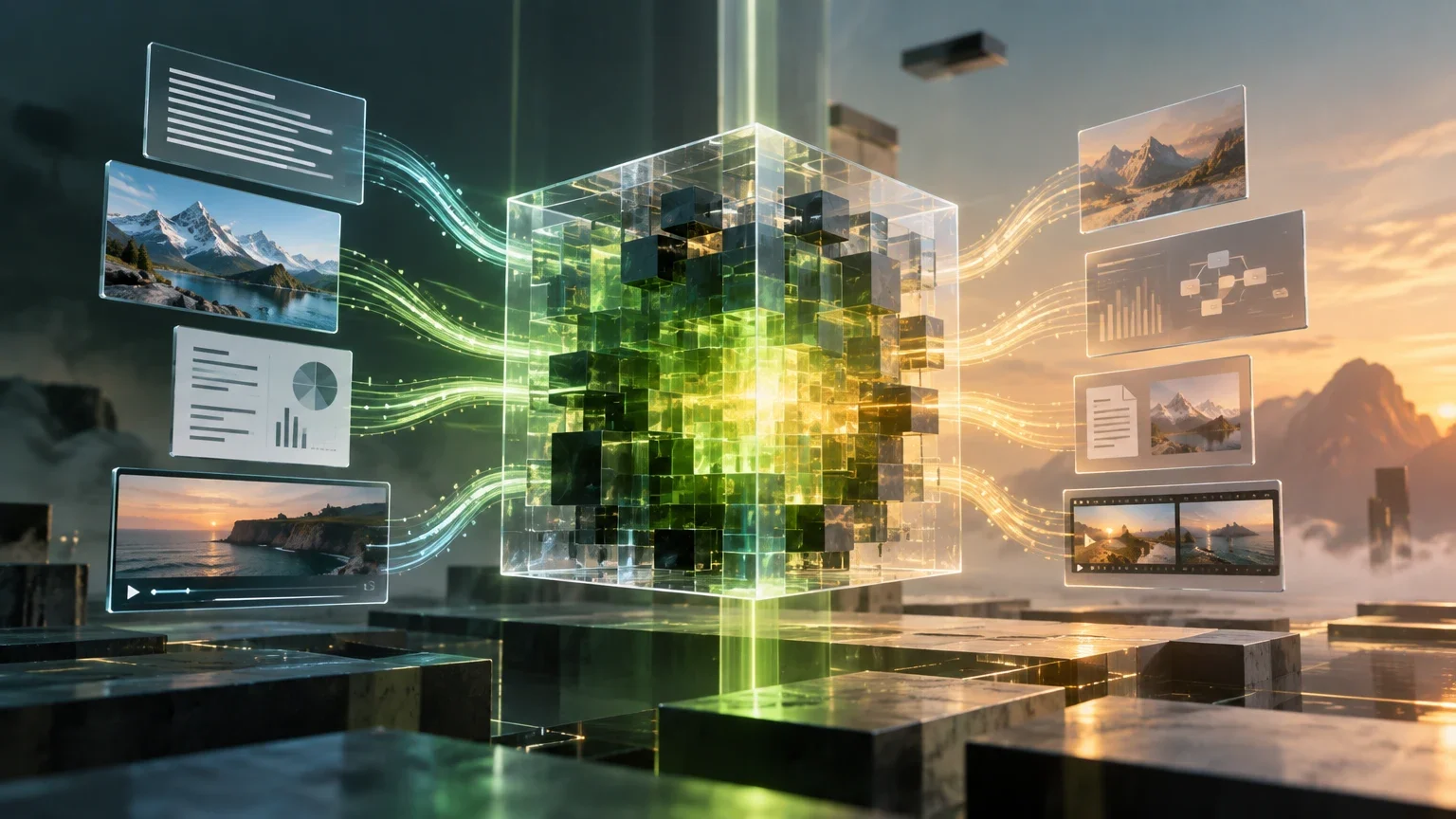
Nemotron 3.5 Super VL is designed to interpret documents, charts, images, and video while supporting long-running tasks with tools. Available information confirms the launch and model scale, but it is insufficient to establish independent performance or the specific NVIDIA hardware required for each deployment.
The new model combines reasoning, tool use, and understanding of text, images, documents, and video. NVIDIA says it activates 12 billion parameters per token and offers efficiency improvements, but the published results are not enough to establish an independent comparison or a universal inference cost.
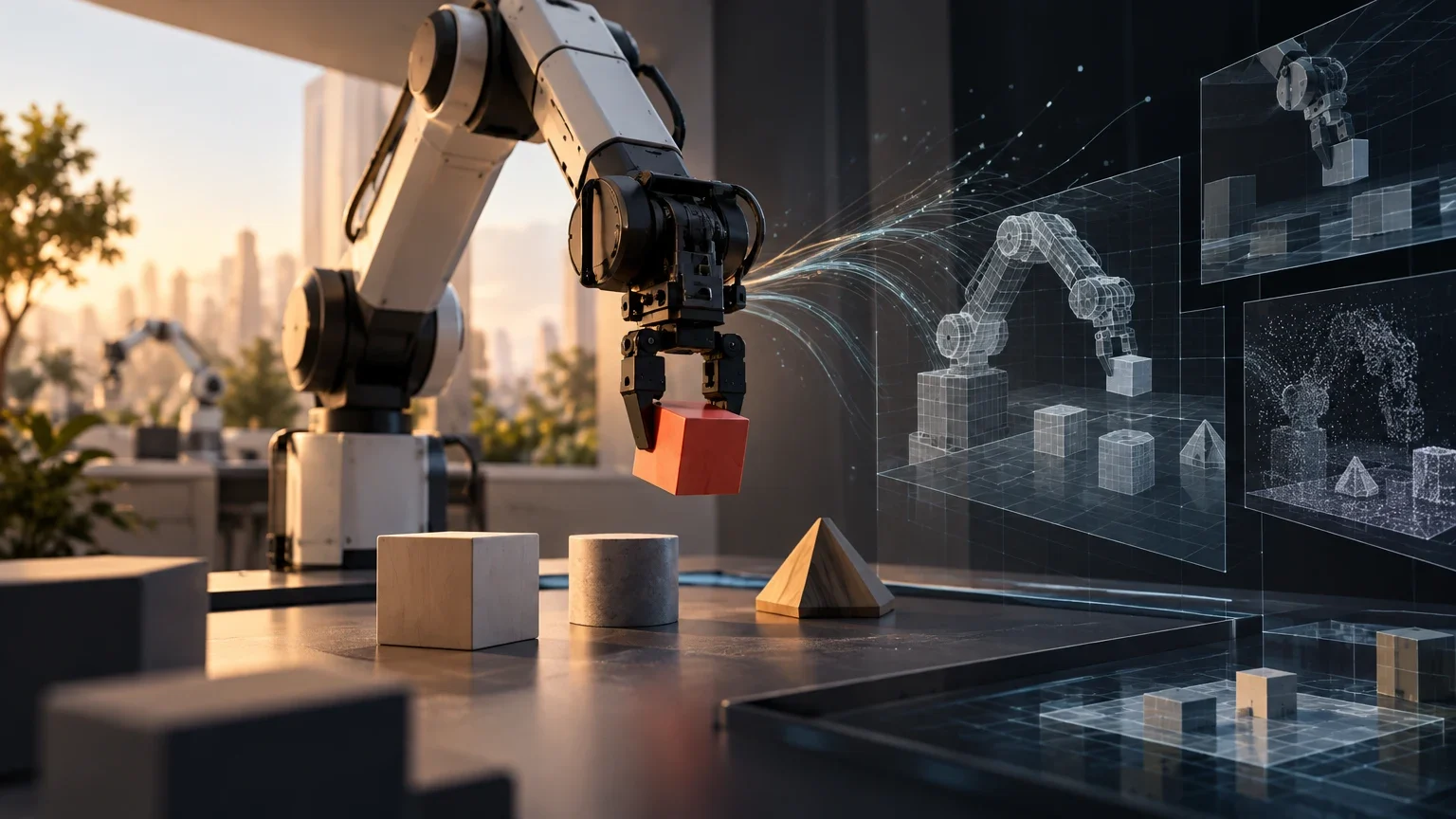
Google presents Argon with examples of robotic control, simulation reconstruction, and physical reasoning. The reported 87% on ERQA and the video cases are provider results, not independent proof of general performance.
OpenAI has confirmed that it is testing advertising in ChatGPT. Reports of visual ads appearing during image creation have not yet been verified in terms of timing, presentation or reach.
Available documentation confirms that Qwen Image 2.1 supports image generation and editing. It is not enough, however, to verify the specifications attributed to Turbo or determine whether eight steps preserve the base model’s quality.
Google’s documentation describes checking images and videos for SynthID watermarks. Detecting the watermark can provide a clue about a piece of content’s origin, but it cannot establish whether any file was created or edited with AI. The public launch, audio conditions and other details remain unconfirmed by the available information.
Two publications describe Microsoft speech transcription and speech synthesis models. The supplied documentation confirms some relevant context, but does not independently verify the reported latency figures or the scope of support for 23 languages.