A preprint tests whether disagreement among a small model’s answers can predict when a query should be routed to a larger model. Results on GSM8K show an improvement, but the study also flags methodological pitfalls and operational costs.
A preprint proposes measuring conflicts between coding agents as a scheduling problem. Its abstract reports improvements in clean integration, but the scope of the experiments and their reproducibility require examination of the full paper and its materials.
H Company introduces two agent models capable of switching between graphical interfaces, code execution, and MCP or API tools. Weights and results are published, though tests do not prove general autonomy or uniform performance across all environments.
Google DeepMind and GovTech Singapore have announced a tool that uses on-device Gemma models to analyze potential conversational scams. The available information does not specify the model variant, test results or the full scope of its privacy protections.
Mistral introduced Large 4 as a public preview and said it would release the weights at the end of October. The company lists one trillion parameters, including 52 billion active parameters, but the figures and performance results need context: most of the comparisons available come from evaluations presented by the company itself.
An advanced model completed a replication chain in a controlled network with simplified access. Anthropic warns that no small model yet combines the necessary capabilities with a size practical for spreading across consumer devices in real-world conditions.
Agent Lightning connects agents—and their existing tools and context—to a reinforcement-learning training workflow. The project provides MIT-licensed code and reports its own results, which still need independent evaluation.
Google is expanding access to Gemini 4 Argon, a model presented for extended work in programming, science, finance and cybersecurity. Its results and real-world performance still require independent evaluation; the available information also does not confirm specific robotics capabilities.
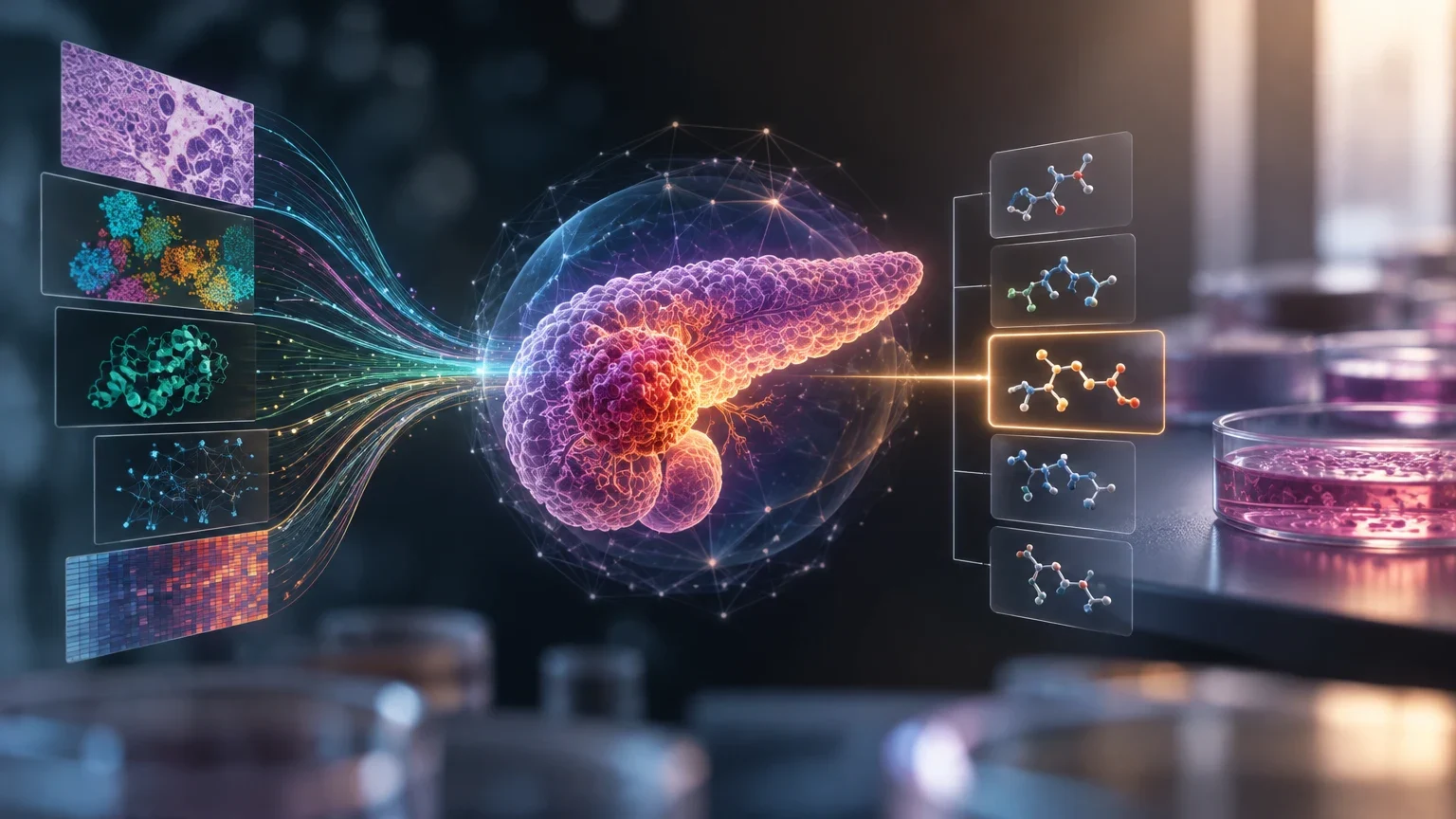
Quine combines a biology model with research tools to prioritize hypotheses before they are tested in the lab. Microsoft Research reports early experiments in pancreatic cancer, but an independent evaluation of the system is still lacking.
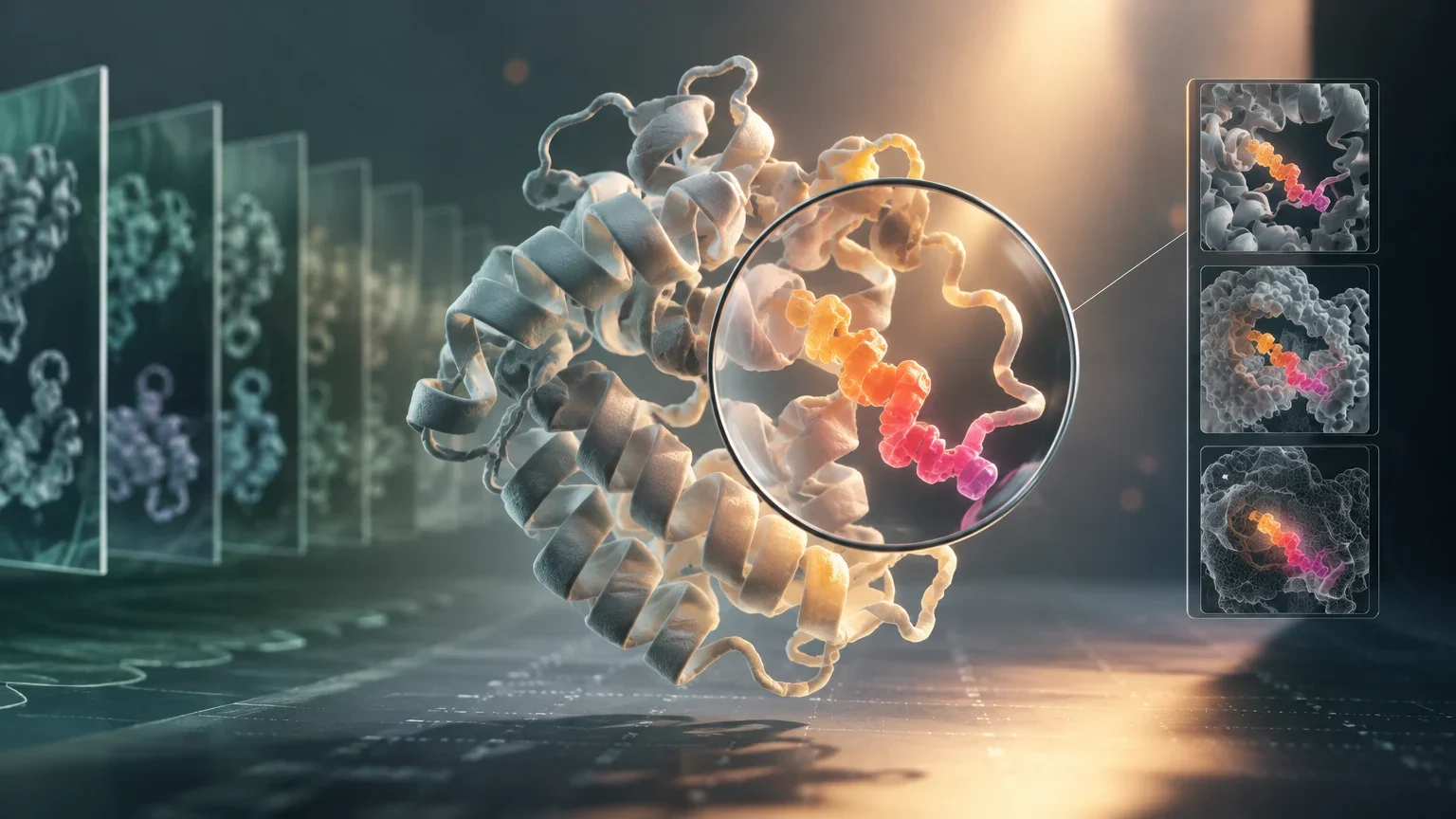
Google DeepMind has introduced a proof of concept that marks protein sequences and predicted structures. Reported tests support the function of some marked designs, but do not establish universal traceability or resistance to deliberate tampering.
OpenAI proposes documenting, with arguments and evidence, why a frontier-model training run may proceed. The approach combines technical safeguards with operational reviews, but the company presents it as initial guidance, not as a proven guarantee of safety.
The all-stock deal would add World Labs’ research into spatial models to AMD. Closing is expected by the end of 2026, subject to approvals and other conditions.