EN · International edition · 12/11/2026
Inferama daily · 12/11/2026
The most important AI developments since the previous newsletter, selected for editorial relevance.
News coverage period: 08/11/2026 08:30 → 12/11/2026 08:30 (Europe/Madrid).

Microsoft updates Graphormer redox weights for flow battery design
Microsoft replaced the oxidation and reduction checkpoints in its public Graphormer repository with a v2 version, adding an integrity manifest and architecture specifications for aqueous organic redox flow battery negolyte design.
Read article →
FlashProve: Anthropic releases a prototype to verify AI responses without revealing model weights
Anthropic has published FlashProve, an open-source system that uses zero-knowledge cryptographic proofs to demonstrate that an AI response was generated by the specific declared model, without exposing its internal parameters. Although the prototype runs on a single GPU, the computational cost of generating the proofs remains significantly higher than standard inference.
Read article →
OpenAI launches Grid Protectors to align compute campuses with the power grid
The new program aims for future AI campuses to support grid reliability and protect consumer costs, though specific metrics and obligations remain undefined.
Read article →
Apple opens Siri AI to third-party developers: the new standard for agents in iOS and macOS
With iOS 27.3, iPadOS 27.3, and macOS 27.3, Apple allows third-party apps to integrate Siri AI capabilities through the Skills mechanism, enabling complex tasks with natural language, personal context, and screen recognition.
Read article →
OpenAI raises vulnerability rewards with quality and loyalty bonuses
The company increases payments to security researchers and introduces new bonus categories to accelerate the detection of flaws in its frontier models amid growing threats.
Read article →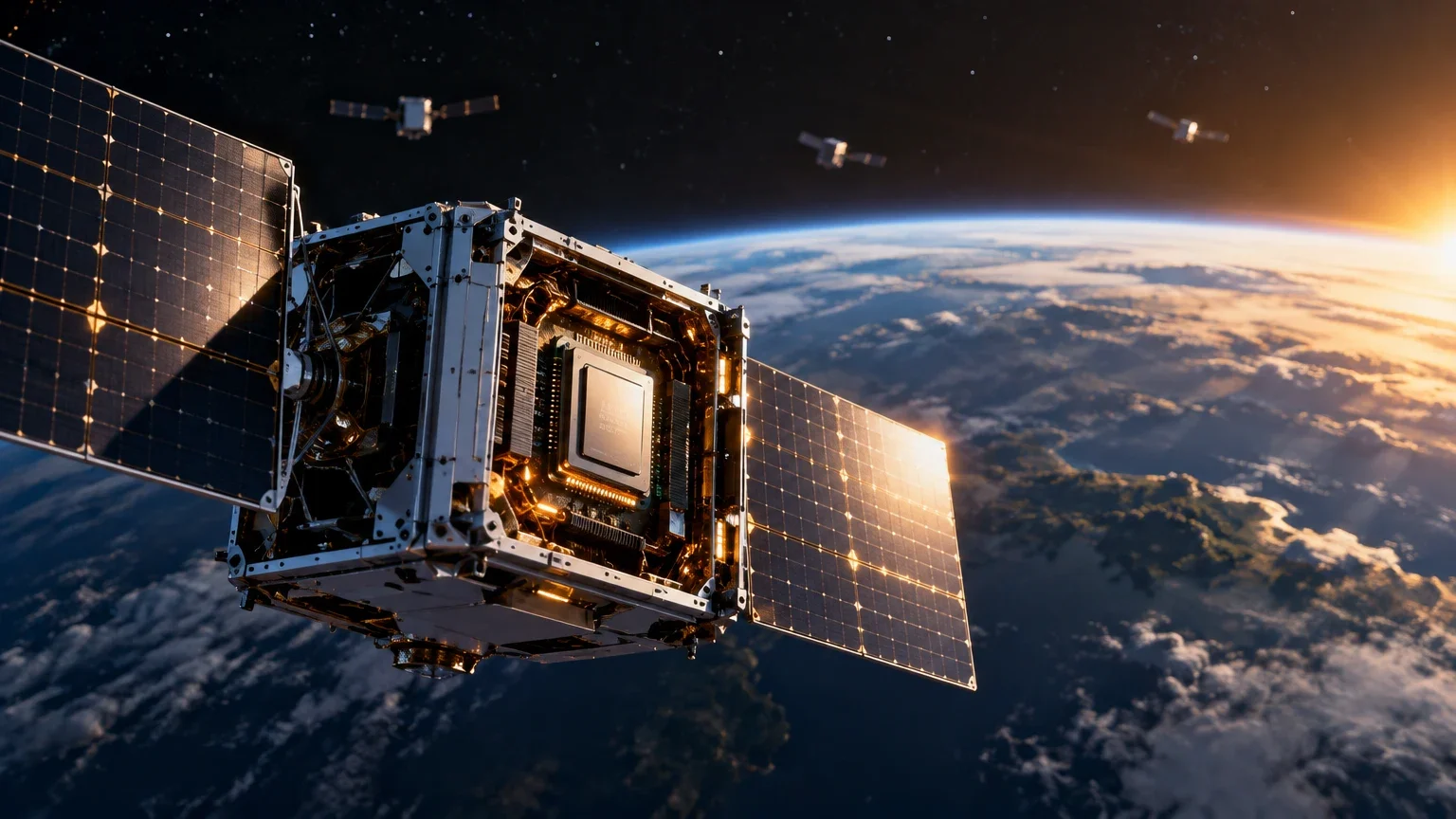
Google runs AI in orbit: first operational TPU on a satellite marks the start of space data centers
On October 30, Google confirmed that its Gemma 4 model generated a response from a satellite in orbit using a TPU. This experiment, part of Project Suncatcher, validates the technical viability of space-based inference, though it faces critical energy and cooling challenges.
Read article →
FlashProve: Anthropic releases a prototype to cryptographically verify AI response provenance
The system uses zkSNARK proofs to demonstrate that a response originates from a specific model without revealing its weights, though it remains a research prototype with performance and scope limitations.
Read article →
Google ties K-12 search access to AI adoption
Starting in 2027, schools that disable AI in their educational accounts will also lose access to Google Search. The company justifies the move by arguing that both technologies are deeply integrated, a decision that has drawn criticism from educational organizations and legislators.
Read article →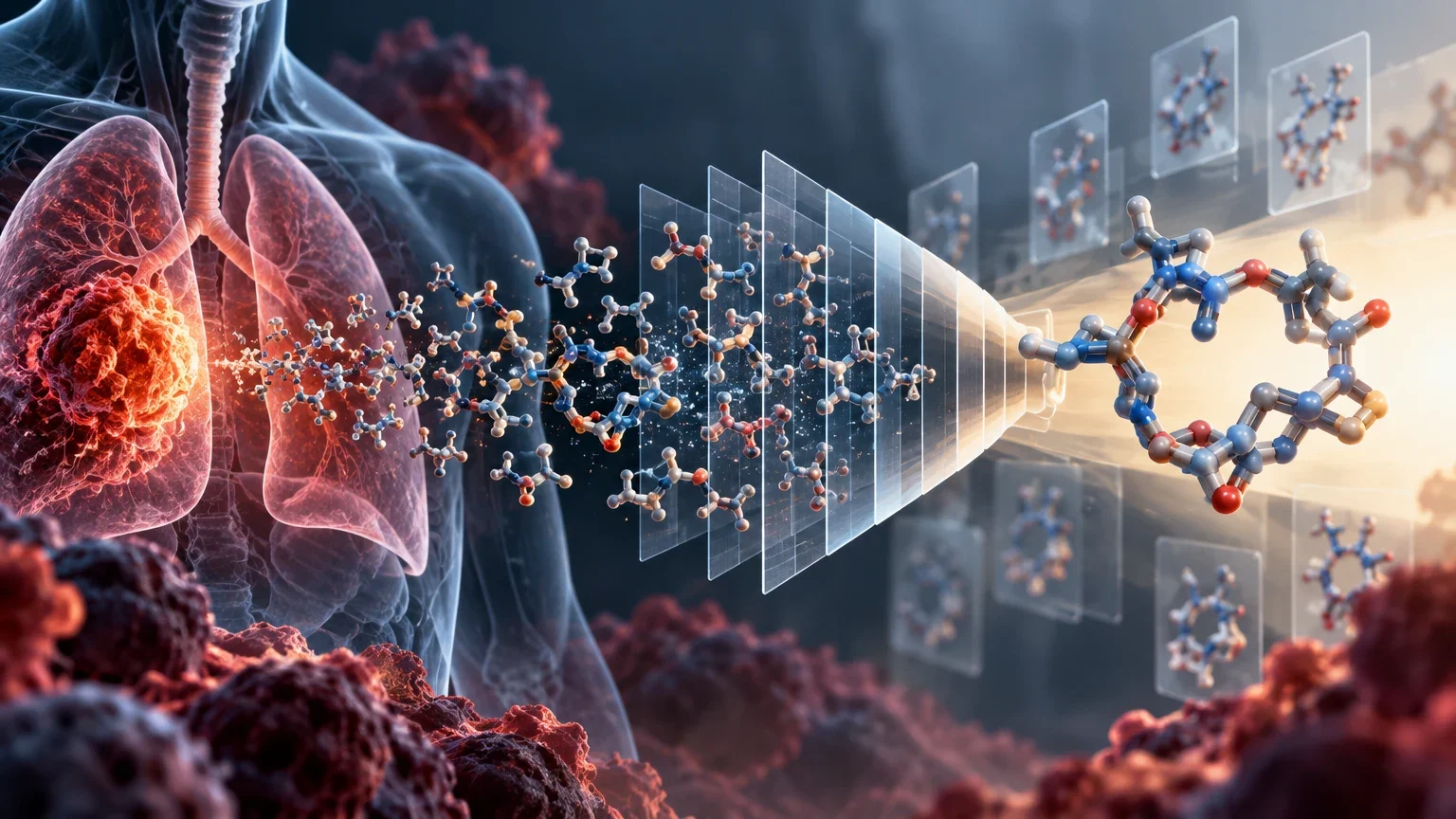
Google Antigravity automates molecule search and design for lung cancer
Google DeepMind introduces Cheminformatics Skills for Antigravity, a system that reduces data curation and rigid macrocycle proposal from days to one hour, though generated structures remain computational hypotheses pending synthesis.
Read article →
Model distillation in Amazon Bedrock: improving efficiency for AI agents
Amazon Bedrock can transfer behavior from more capable models to smaller ones through distillation, aiming to reduce costs and latency for agent tasks and retrieval-augmented generation.
Read article →